

This month, when you scroll through the financial pages, the first thing you notice is what’s missing. The Fed’s next move, Wall Street’s anxiety, and the ongoing drama surrounding tech earnings are all widely covered. However, Dubai? Abu Dhabi? Almost nobody outside the area is discussing the strange quiet that has descended upon the two cities that once seemed untouchable, almost arrogant in their stability.
Early in March, the Capital Markets Authority closed trading on the Abu Dhabi Securities Exchange and the Dubai Financial Market, citing its “supervisory and regulatory role.” When regulators don’t want to state the obvious out loud, they use language like that. Panic is the obvious thing. In the days prior, hundreds of Iranian drones and missiles had attacked the United Arab Emirates; one of them had destroyed Abu Dhabi’s main airport, killing one person and injuring seven more. It wasn’t a precaution to close the market. It was a triage situation.
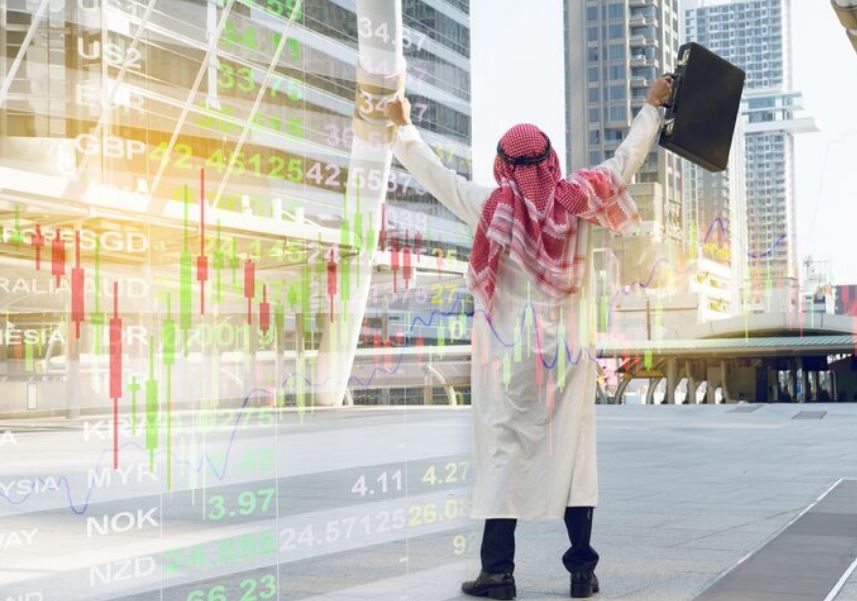
The DFM fell 4.6% in early trading when it eventually reopened, and the bleeding hasn’t truly stopped—it’s just slowed enough to be disregarded. Speaking with those who monitor the area gives me the impression that something fundamental has changed. Being the safe harbor of the Middle East, where money parked when Beirut burned or Cairo faltered, is how Dubai earned its current reputation. The safe-haven narrative relied on a form of geopolitical immunity. The spell was broken by the missiles.
When you stroll through the DIFC on a weekday, the espresso machines in the lobby cafes continue to hiss, the towers continue to shine, and the lobbies continue to hum. Nothing appears to be broken on the surface. The multibillion-dollar expansion plans that were announced in late January to make the Dubai International Financial Center one of the biggest financial hubs in the world are still being discussed as if nothing had happened. That confidence might actually be intact. Another possibility is that everyone is simply watching to see who blinks first.
The oil angle is what gives the silence its strangeness. When Gulf tensions affect crude prices, investors in Singapore, London, and New York typically take notice. And for a moment, they did. Then the focus wandered. On March 10, Trump’s forecast of a de-escalation gave the Gulf bourses a slight boost, with financial shares leading the way. However, the international financial media ignored it. A note. Following missile attacks on a nation’s capital.
According to what can be inferred from social media and the trading desks, the local mood is divided. Some real estate brokers, the most vocal of whom are on Instagram, are claiming that this is a buying opportunity and that supply-chain damage will only increase the value of Dubai real estate going forward. Some, who are more reserved, are keeping an eye on the inflation figures and speculating about whether the period of cheap capital entering the Gulf is coming to an end. It’s difficult to ignore the fact that those who are most certain that everything is okay are also the ones who depend on it.
There is a perception that the Gulf has fallen below the threshold of the world’s attention. Elections in the West, wars in Eastern Europe, AI booms in California—Dubai’s slow-motion market crisis is vying for media attention and failing. That does not lessen its reality. It simply increases the risk. Seldom do markets that bleed in the dark recover peacefully.
It’s unclear yet if this will result in a real crash or a drawn-out, agonizing repricing. It is evident that the underlying premise of Dubai’s three-decade economic rise—that the city was somehow superior to the area it occupied—seems more precarious than it has in a long time.
