

On March 4, brokers in Seoul witnessed the KOSPI plummet more than 12%, forcing the Korea Exchange to physically halt the bleeding. It had experienced its worst single-day decline ever by the end. In a single session, Samsung Electronics fell by almost 12%. SK Hynix experienced a 10% decline. The two chipmakers appeared to be the most visible names on the continent, despite the fact that their combined valuation had just momentarily surpassed that of Tencent and Alibaba.
Over the past few weeks, it has been an odd exercise to watch how the three major Asian indices respond to the Iran war. The Nikkei fell. After dipping, the Hang Seng steadied. Just now, the KOSPI tumbled off a precipice. The headlines are the same, but the responses are drastically different. And once you start tugging at it, one stretch of water about 3,800 miles away accounts for nearly all of the explanation.
The Middle East provides about 70% of South Korea’s crude oil imports. Depending on who you believe, Japan’s reliance is closer to 90 or 95%. You would think the Nikkei would be the one suffering the most damage based only on that metric. It isn’t. Even in the face of oil shocks, investors continue to view Japan’s index as defensive growth stories due to its deep bench of tech and AI-related companies. Since the start of the strikes, the Nikkei has dropped about 10%, with the worst Monday seeing a 5.2% decline. excruciating. Not disastrous.
Over the same time frame, the KOSPI has decreased by more than 16%. The whole story lies in that gap.
Lorraine Tan of Morningstar refers to some of it as single-name concentration. Together, Samsung and SK Hynix account for almost half of the index. Memory-chip sentiment affects the index, and at the moment, sentiment is simultaneously affected by two factors: the cost of energy for AI datacenters, which rely on electricity that is becoming more expensive due to oil, and a textbook risk-off rotation out of high-beta growth names. Since April 2025, the KOSPI has increased by about 176%. Profit-taking was inevitable. The war in Iran merely provided traders with an excuse to act all at once.
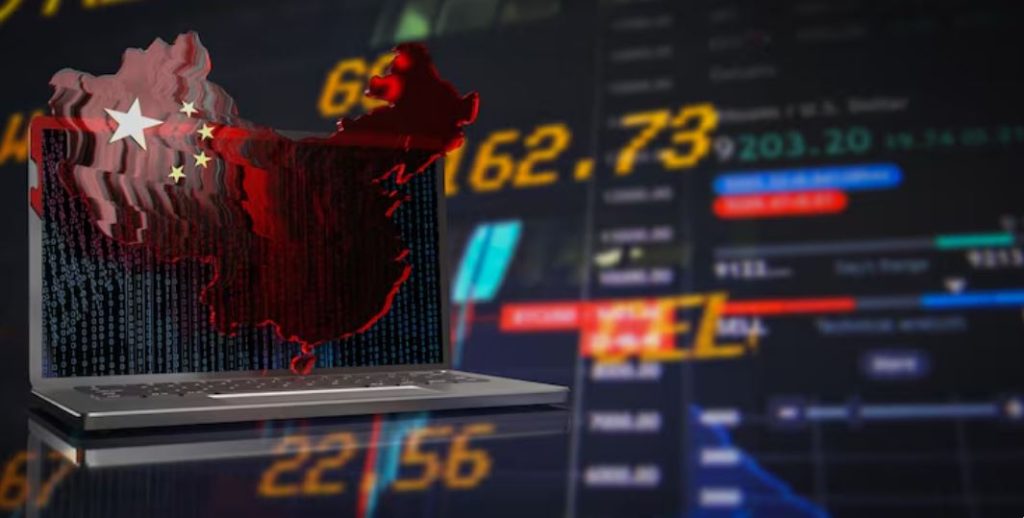
Hong Kong comes next. The quietest player in the room has been the Hang Seng, which occasionally recovers by the middle of the session and is only down a few percent on the worst days. This could just be pure luck. It is more likely to represent what the index currently monitors: changes in the financial sector, consumer sentiment, and Chinese monetary policy. For years, China has been hoarding oil, and Beijing’s promise to keep monetary policy loose during the Two Sessions has given Hong Kong-listed stocks a floor that Seoul just lacks. In a note dated March 9, William Bratton, an analyst at BNP Paribas, went so far as to say that rotation out of Northeast Asian markets might even be advantageous for China. In 2026, that is a strange sentence to read.
Brent followed as WTI momentarily surpassed $115 per barrel. Shipping insurance rates reached levels not seen since the early months of Russia-Ukraine due to Iran’s alleged closure of the Strait of Hormuz, which was initially disputed but later partially confirmed by satellite traffic data. Used Japanese vehicles are currently waiting weeks for outbound tankers at Yokohama’s port. The disruption is not only financial but also physical and granular.
Speaking with those who have previously observed these cycles gives the impression that the KOSPI’s decline is a correction masquerading as a crisis. Investors have been advised by Goldman Sachs to interpret it that way. With the exception of a prolonged oil shock, history seldom supports the notion that geopolitical events can lower stocks for an extended period of time, according to Eli Lee of the Bank of Singapore. However, that final clause is doing a lot of work. The question becomes which market recovers first rather than which is most vulnerable if Hormuz remains unreliable for months as opposed to weeks. For very different reasons, Seoul is currently most likely the answer to both.
