

When a founder says something that the room isn’t quite prepared for, a certain kind of silence falls over the tech conference. Ryan Breslow made one of those remarks earlier this week at Fortune’s Workforce Innovation Summit in New York. “We got rid of our HR team.” He said it in a tone that was almost casual, similar to how someone might suggest changing brands of coffee. The audience, which was made up of executives whose jobs depend on human resources departments, were unsure of where to place their hands.
In 2014, Breslow, a 31-year-old who appears younger, founded Bolt, a one-click checkout business, in a Stanford dorm room. Bolt was the type of startup that founders used in pitch decks for a long time. It was estimated to be worth $11 billion by 2022. The unwinding followed. Breslow took a step back. According to reports, the valuation fell by almost 97%, to about $300 million. Last year, he walked back into a company he hardly recognized as CEO.
It was brutal what came next. About 30% of Bolt’s employees were let go in April, marking the fourth round of layoffs in four years. According to reports, the headcount has decreased from a peak of about 800 to about 100. Additionally, the entire HR department was eliminated at some point during that contraction. Breslow said, “We had an HR team, and that HR team was creating problems that didn’t exist,” to the audience. “Those problems disappeared when I let them go.”
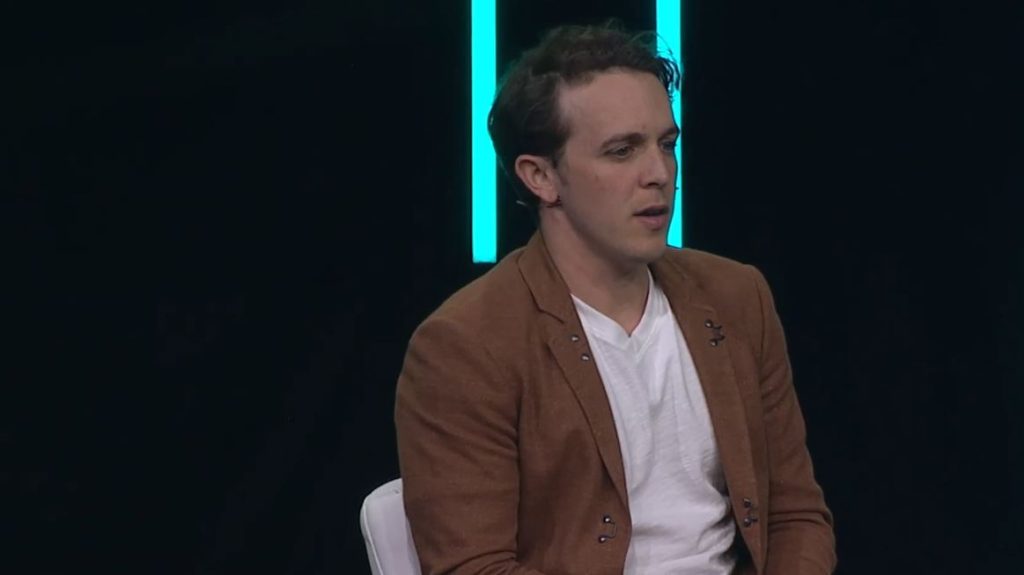
This line seems designed to go viral, and it has been doing so all week on X and LinkedIn. Naturally, HR professionals are horrified. Less predictably, founders are nodding silently. In the middle is a question that the tech sector hasn’t really wanted to voice: what is HR really for in a 100-person business that is struggling to survive? According to Breslow, it creates a layer of conflict and generates memos, meetings, and complaints that wouldn’t exist if no one was compensated to locate them. It has been replaced by what he refers to as “people operations,” a smaller group that manages administrative and training tasks. No formulation of policies. Don’t mediate. Just don’t turn off the lights.
The Bolt office now has fewer desks, is quieter, and has a skeleton crew vibe that, depending on where you sit, can be either terrifying or electrifying. Breslow claims that upon his return, he gave staff members sixty days to adjust to a faster, leaner culture. 99 percent, he says, couldn’t. Almost every member of the leadership team was replaced. According to him, the previous culture of the company was one of “entitlement,” with employees feeling powerful but not really contributing. It’s important to note that the individuals he’s describing aren’t present to provide their perspective, and it’s a harsh framing.
The timing of all of this is a little awkward. AI is increasingly being used as a convenient justification for layoffs that may have occurred regardless. The same rationale has been used by Meta, Microsoft, and numerous smaller companies. Operating in 2026 requires a leaner, more AI-centric organization, Breslow informed employees in an internal Slack message. That might be the case. Additionally, it’s a very helpful justification for a CEO attempting to convince doubtful investors of a fourth round of cuts.
It’s difficult not to wonder how this turns out. Breslow’s wager that a 100-person team without traditional HR can outperform rivals with more resources is genuinely intriguing. It might be successful. Startups operating solely for survival have survived by doing bizarre things. However, eliminating HR also eliminates a buffer, and buffers are typically most important when something goes wrong. Complaints about harassment, concerns about compliance, and visa problems for foreign-born employees, who comprise a sizable portion of fintech talent, don’t go away just because a CEO finds them annoying.
You get the impression that Breslow believes everything he says when you watch him defend everything on stage with the assurance of a man who has nothing left to lose. One of the year’s most important fintech stories will likely be whether the plan completes what the previous few years began or makes the comeback he has promised. The first people to know will be his remaining hundred employees and any investors who are still paying attention.
