

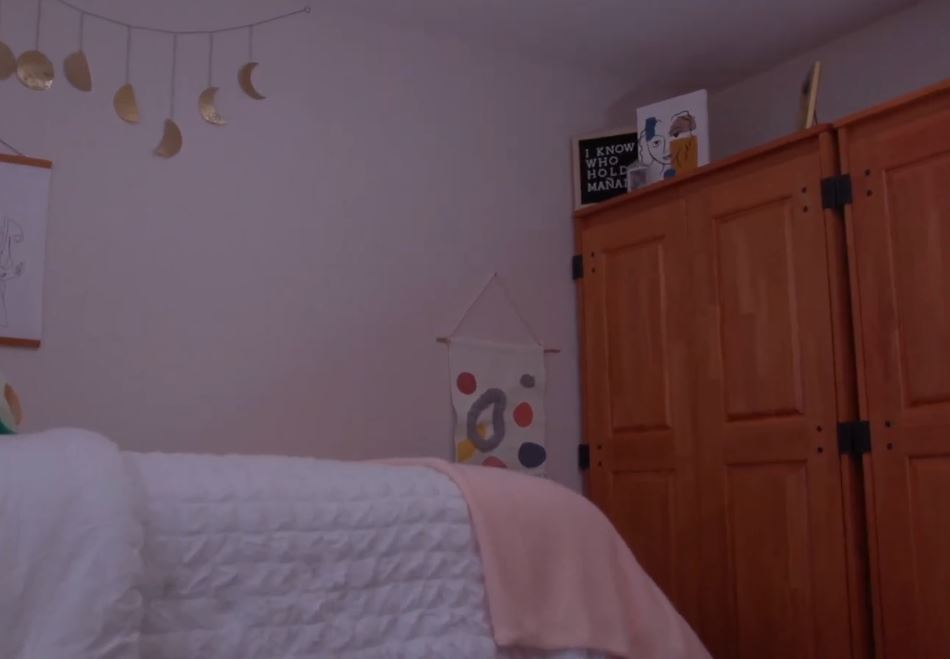
The picture of mushrooms growing out of a dorm room window is especially startling. This was very real, not in a fairy tale sense. It took place in one of the female residence halls at Lipscomb University. A dead mushroom was visible on the sill when a student pulled back her curtains. Another one was growing right next to it.
The students in the newly filed lawsuit claim that this was not a unique finding. It was just one of many symptoms. They claim that for years, their complaints were ignored, their voices were muffled behind damp walls, and their health steadily declined in dorms that ought to have been safe havens during a stressful time in their lives.
| Key Information | Details |
|---|---|
| Institution Involved | Lipscomb University, Nashville, Tennessee |
| Legal Action Filed | January 7, 2026, Davidson County Circuit Court |
| Plaintiffs | 11 female students (current and former) |
| Main Allegation | Exposure to black mold due to poor ventilation in dormitories |
| Dormitories Cited | Elam Hall, Fanning Hall, Johnson Hall |
| Health Issues Reported | Brain fog, fatigue, respiratory problems, skin conditions, nosebleeds |
| Claimed Negligence Period | Multiple years before remediation began |
| University’s Action Date | Mold protocol implemented on November 5, 2025 |
| Damages Sought | $14.5 million |
| Official University Response | Case is “egregiously overstated”; committed to defending its position |
| Reference Link | Tennessee Bar Association – TBA Today |
This $14.5 million lawsuit, which was filed in early January, now questions Lipscomb University’s account of what happened and how it handles the welfare of its students. Eleven women, some of whom are still enrolled at the university and others of whom have graduated, claim that they lived in dorms with toxic mold, insufficient ventilation, and constant moisture. They’re ill, not just irritated. Among the ailments being reported are fatigue, nosebleeds, rashes, chronic headaches, and cognitive fog.
That list is extremely distressing for any parent. It has been a demanding journey for the students. Even though dorm life isn’t always perfect, it shouldn’t hurt one’s health.
For many years, female students have resided in the aforementioned dorms: Johnson, Fanning, and Elam. The lawsuit specifically targets these buildings, citing years of unresolved environmental concerns, musty odors, and condensation problems. According to one startling claim, the levels of carbon dioxide in some rooms were five times higher than what is advised for safety. Such data presents an alarming picture of indoor air quality, especially in areas intended for rest and recuperation.
The students’ lawyers contend that this was due to chronic neglect rather than the collapse of historic structures. The students claim that after leaving campus, their symptoms improved, but upon returning, they relapsed. When closely examined, patterns such as these start to reveal a much more intentional narrative. Repeated exposure. unexplained illness. From above, silence.
Lipscomb finally implemented a mold prevention program for the entire campus by November 2025. However, that change came much too late for some students. Attorney John Griffith described the university’s response as a type of systemic failure in a particularly moving statement: “It’s not an isolated incident… It’s a pattern of harms that keeps happening.”
I paused quietly as I read that quote. A realization that this is more than a lawsuit. It has to do with how fast we accept discomfort as the new norm. The time it can take for someone to speak loud enough to be heard is another factor.
In response, Lipscomb University has issued a strong defense, calling the accusations “egregiously overstated.” They emphasize their adherence to EPA regulations and dedication to the welfare of students. However, the public’s scrutiny hasn’t lessened despite the official language.
More students have come forward in the last week, some of them repeating eerily similar tales of peeling paint, basement-like rooms, and feeling ill for no apparent reason. The community has responded in a variety of ways, with some being skeptical and others being supportive. After all, universities are intricate ecosystems. However, in this instance, the details seem incredibly real. You can smell mold. paint that is not sticky. The windows have mushrooms.
For many of the students involved, compensation is not the only factor. It has to do with visibility. They are requesting that the university admit that something went wrong and take action to prevent it from happening in the future. That is a very reasonable request. especially considering that a large number of them selected Lipscomb due to its reputation as a tight-knit, religious community.
Institutions frequently emphasize procedure and process in response to these kinds of allegations. Ambiguity will be emphasized by legal teams. Experts in medicine will discuss causality. However, trust is still central to this case. Students had faith that they would be placed in livable, healthy environments. Parents had faith in the safety of their daughters. Once broken, that trust can be very challenging to rebuild.
It’s not just mold in this case. It has to do with responsibility. It concerns how organizations prioritize action, communicate, and regain public trust following years of purported inaction. The case’s emotional core is already resonating well beyond the campus gates, even though the outcome will be revealed over time.
Lipscomb is getting ready to defend its position through public statements and strategic legal framing. With the support of lawyers and growing evidence, the students appear equally ready to demonstrate that something went seriously wrong. One very evident thing is that these voices are no longer concealed by the walls of dorm rooms.
More information will probably surface in the upcoming months, including internal emails, third-party reports, and possibly even timelines that demonstrate when decision-makers were aware of what. However, for the time being, the picture of that mushroom—living and developing in a student’s living quarters—remains a strikingly vivid representation of the case as a whole.
And a public verdict is already being formed, regardless of whether the court agrees with the plaintiffs. Pupils have higher expectations. They are worthy of more.
