

Embassies, trade agreements, and defense pacts are frequently used to gauge Britain’s diplomatic reach, but the more enduring influence usually creeps in like a suitcase across a campus concourse in late September.
Although they are rarely presented as political actors, international students experience Britain more deeply and extensively than most diplomats will. On rainy afternoons, in overcrowded doctor’s offices, and in uncomfortable seminars where accents clash and no one can agree on the reading, they learn how the nation operates.
| Key Context | Details |
|---|---|
| Scale | Around one in five students in UK higher education is international |
| Policy Lens | Treated primarily through immigration control rather than foreign policy |
| Strategic Concept | “Knowledge diplomacy” and long-term soft power |
| Institutional Actors | Universities, alumni networks, cultural bodies |
| Core Tension | Diplomatic benefit vs. restrictive visa and migration policy |
Policymakers have maintained that this experience is important for decades. Studying here, remembering us with fondness, rising elsewhere, and remembering Britain when it matters is a neat premise. Speeches, briefing papers, and think-tank panels all reiterate this article of faith.
Typically, the phrase is “soft power,” which seems harmless until you realize how firmly governments adhere to it. Organizations like the British Council frequently point to the UK’s standing as a cultural and educational hub as proof of influence that transcends election cycles.
Despite no formal request, universities have evolved into proxy diplomatic missions. Whether it wants the responsibility or not, a chemistry department that accepts PhD students from Lahore or Lagos is also hosting future CEOs, ministers, and regulators.
There is a delay in the power here. Quarterly trade figures do not include it. Years later, it comes to light when a former student who is now in charge of a procurement firm recalls how Britain treated them when their visa either expired or did not.
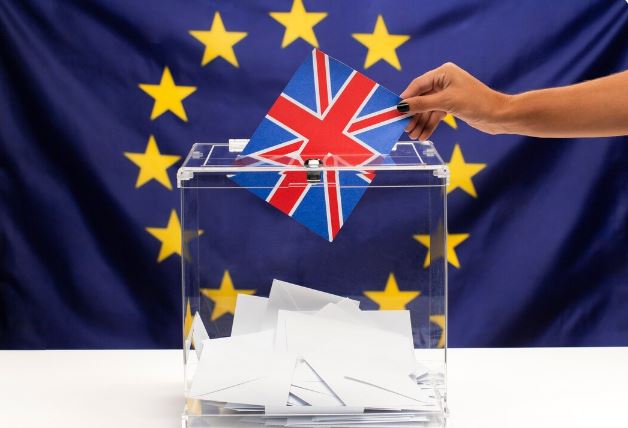
The concept of a “overseas student vote” starts to make sense at this point. A gradual build-up of goodwill, skepticism, or apathy that ultimately manifests in trade preferences, regulatory trust, and political instinct rather than a formal vote.
Without fully appreciating the deal, Britain has profited greatly from it. Alumni networks are found in newsrooms, governments, courts, and universities all over the world. Rather than at state banquets, many of these connections were made informally, over inexpensive coffee and library desks.
However, the state’s treatment of students has frequently implied ambivalence. Despite being aware of how the numbers are interpreted overseas, successive governments have insisted on including students in the migration targets.
Students have long been viewed by the UK Home Office as a problem to be solved rather than a relationship to be fostered. Visa procedures are still costly, confusing, and sometimes harsh in ways that stick in people’s minds.
I recall witnessing a graduation ceremony where half of the international cohort quietly left early because they were worried about staying an extra day.
The inconsistency is glaring. Britain presents itself as open, inquisitive, and involved in the world. On the other hand, it treats many of its most promising guests with distrust and almost hostile bureaucracy.
One thing the soft power argument’s detractors are correct about is that loyalty is not always the result of a degree. After experiencing prejudice, housing shortages, or a nation that seemed smaller and crueler than promised, some students depart feeling demoralized.
Others arrive with connections to competing power centers already established. There are plenty of educational opportunities for the elites in China, India, Nigeria, and Brazil. Whether it likes it or not, Britain is a competitor.
The fact that neutrality is not the default result is frequently overlooked. It’s indifference. A student is unlikely to support Britain in the future if they depart feeling that they are only tolerated.
With the hardening of geopolitics, the debate has become more complex. Universities are currently caught between security and transparency, particularly in delicate research areas. The debate over who should study what and where has intensified.
Within institutions, this has fueled a subdued anxiety. Scholars discuss diplomacy in hallways not because they are naive, but rather because they recognize how quickly trust can be lost.
Ironically, compared to many government agencies, universities have demonstrated greater diplomatic agility. They keep lines of communication open through collaborative research, sustain alliances during diplomatic freezes, and exhibit institutional patience when dealing with political shocks.
With their shared references that eschew ideology, alumni get-togethers overseas frequently resemble unofficial embassies. Jokes come off more quickly. The arguments remain polite.
However, kindness is limited. Slights are as easily remembered by nations as gestures. A hostile visa regime is identified, examined, and contrasted.
Some politicians continue to act as though allowing students to enter Britain is a favor. Even when it is not spoken, that tone is perceived.
Small moments are often the most illuminating. A student’s course spot is lost due to a delayed visa decision. An announced post-study work route was withdrawn and then reintroduced. Every shift is an indication of uncertainty rather than strategy.
The rivals of Britain have picked up this lesson more quickly. Australia and Canada clearly present international students as future collaborators rather than short-term annoyances.
Thousands of conversations that never make it to Westminster are already quietly casting votes for international students. It becomes apparent later, when a former pupil either chooses not to recommend a British firm or does.
Sentimentality is not the issue here. It involves acknowledging that influence derived from lived experience is brittle and builds over time.
Britain’s universities continue to be a remarkable asset. Its willingness to treat education as foreign policy through alternative channels instead of as domestic political collateral damage is the question.
The work is already being done in the lecture halls. All the state has to do is decide if it wants the outcome.Embassies, trade agreements, and defense pacts are frequently used to gauge Britain’s diplomatic reach, but the more enduring influence usually creeps in like a suitcase across a campus concourse in late September.
Although they are rarely presented as political actors, international students experience Britain more deeply and extensively than most diplomats will. On rainy afternoons, in overcrowded doctor’s offices, and in uncomfortable seminars where accents clash and no one can agree on the reading, they learn how the nation operates.
Policymakers have maintained that this experience is important for decades. Studying here, remembering us with fondness, rising elsewhere, and remembering Britain when it matters is a neat premise. Speeches, briefing papers, and think-tank panels all reiterate this article of faith.
Typically, the phrase is “soft power,” which seems harmless until you realize how firmly governments adhere to it. Organizations like the British Council frequently point to the UK’s standing as a cultural and educational hub as proof of influence that transcends election cycles.
Despite no formal request, universities have evolved into proxy diplomatic missions. Whether it wants the responsibility or not, a chemistry department that accepts PhD students from Lahore or Lagos is also hosting future CEOs, ministers, and regulators.
There is a delay in the power here. Quarterly trade figures do not include it. Years later, it comes to light when a former student who is now in charge of a procurement firm recalls how Britain treated them when their visa either expired or did not.
The concept of a “overseas student vote” starts to make sense at this point. A gradual build-up of goodwill, skepticism, or apathy that ultimately manifests in trade preferences, regulatory trust, and political instinct rather than a formal vote.
Without fully appreciating the deal, Britain has profited greatly from it. Alumni networks are found in newsrooms, governments, courts, and universities all over the world. Rather than at state banquets, many of these connections were made informally, over inexpensive coffee and library desks.
However, the state’s treatment of students has frequently implied ambivalence. Despite being aware of how the numbers are interpreted overseas, successive governments have insisted on including students in the migration targets.
Students have long been viewed by the UK Home Office as a problem to be solved rather than a relationship to be fostered. Visa procedures are still costly, confusing, and sometimes harsh in ways that stick in people’s minds.
I recall witnessing a graduation ceremony where half of the international cohort quietly left early because they were worried about staying an extra day.
The inconsistency is glaring. Britain presents itself as open, inquisitive, and involved in the world. On the other hand, it treats many of its most promising guests with distrust and almost hostile bureaucracy.
One thing the soft power argument’s detractors are correct about is that loyalty is not always the result of a degree. After experiencing prejudice, housing shortages, or a nation that seemed smaller and crueler than promised, some students depart feeling demoralized.
Others arrive with connections to competing power centers already established. There are plenty of educational opportunities for the elites in China, India, Nigeria, and Brazil. Whether it likes it or not, Britain is a competitor.
The fact that neutrality is not the default result is frequently overlooked. It’s indifference. A student is unlikely to support Britain in the future if they depart feeling that they are only tolerated.
With the hardening of geopolitics, the debate has become more complex. Universities are currently caught between security and transparency, particularly in delicate research areas. The debate over who should study what and where has intensified.
Within institutions, this has fueled a subdued anxiety. Scholars discuss diplomacy in hallways not because they are naive, but rather because they recognize how quickly trust can be lost.
Ironically, compared to many government agencies, universities have demonstrated greater diplomatic agility. They keep lines of communication open through collaborative research, sustain alliances during diplomatic freezes, and exhibit institutional patience when dealing with political shocks.
With their shared references that eschew ideology, alumni get-togethers overseas frequently resemble unofficial embassies. Jokes come off more quickly. The arguments remain polite.
However, kindness is limited. Slights are as easily remembered by nations as gestures. A hostile visa regime is identified, examined, and contrasted.
Some politicians continue to act as though allowing students to enter Britain is a favor. Even when it is not spoken, that tone is perceived.
Small moments are often the most illuminating. A student’s course spot is lost due to a delayed visa decision. An announced post-study work route was withdrawn and then reintroduced. Every shift is an indication of uncertainty rather than strategy.
The rivals of Britain have picked up this lesson more quickly. Australia and Canada clearly present international students as future collaborators rather than short-term annoyances.
Thousands of conversations that never make it to Westminster are already quietly casting votes for international students. It becomes apparent later, when a former pupil either chooses not to recommend a British firm or does.
Sentimentality is not the issue here. It involves acknowledging that influence derived from lived experience is brittle and builds over time.
Britain’s universities continue to be a remarkable asset. Its willingness to treat education as foreign policy through alternative channels instead of as domestic political collateral damage is the question.
The work is already being done in the lecture halls. All the state has to do is decide if it wants the outcome.
