

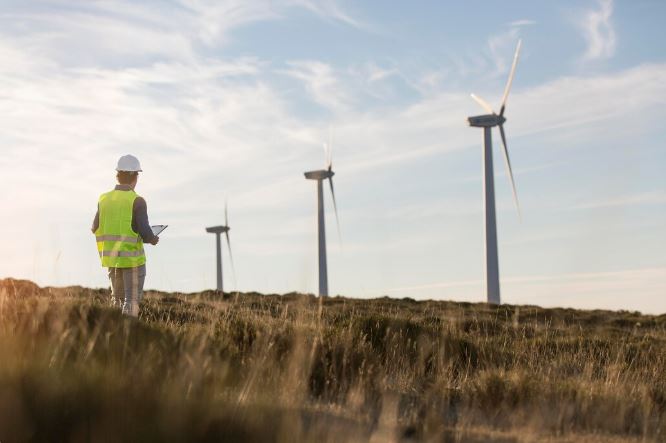
The transition of Britain from coalfields to wind farms feels significantly better than the arduous mining era. Instead of feeling a loss, many communities are relieved by the change. Renewable energy has steadily spread throughout formerly industrial areas in recent years. Towns that formerly relied entirely on coal for their daily needs have undergone a transformation due to the incredibly effective process. Some locals say this change feels oddly familiar, like an old rhythm coming back in a new form.
| Category | Information |
|---|---|
| Historic Context | Coal shaped identity for decades. Mining towns carried deep cultural pride. Decline left scars and economic gaps. |
| Current Energy Landscape | Renewables now produce most UK electricity. Offshore wind keeps expanding. Former coal towns see rapid change. |
| Community Impact | Wind projects offer shared ownership. New funds support local needs. Consultations guide design. |
| Government Strategy | Net Zero 2050 plan. Clean Power 2030 goals. Great British Energy established. Strong investment in green sectors. |
| Key Projects | Dogger Bank wind project. QTS data centre at Cambois. ORE Catapult innovation hub. OnPath Energy wind proposals. |
| Cultural Shift | New pride replaces older hardship. Training programs grow. Local identity shifts toward clean energy. |
| Reference Link | https://www.gov.uk/government/publications/powering-up-britain |
In South East Northumberland, this shift is remarkably evident. Activity is increasing again despite the loss of coal. The skyline is being changed by the emergence of new industries. By incorporating clean energy initiatives, the region is creating a distinctively creative identity. There is new infrastructure in place of the old pits. Where colliery towers once stood are now turbines. The sight feels surprisingly uplifting to many residents.
This momentum has recently been increased by the QTS data center project at Cambois. The location will house robust computer systems. The land, which was once covered in coal dust, has been restored. There is no denying the contrast. Builders are producing something incredibly resilient by utilizing cutting-edge engineering and sophisticated planning. The project is expected to create hundreds of jobs. It also portends a new era for the area. This change feels more stable, according to those who witnessed the coal collapse.
In New Cumnock, OnPath Energy is pursuing a similar course. Residents were asked by the company to assist in naming the new wind farm. The concept quickly gained traction. Local gatherings allowed people to share their mining, adversity, and pride stories. A renewable project that will support 55,000 homes is currently being shaped with their assistance. Through partnerships with community organizations and schools, OnPath has established credibility. Its method of development is incredibly successful in allaying worries. The project will provide funding for shared ownership, services, and education.
At these meetings, senior miners frequently speak. The underground camaraderie is remembered by some. Others are reminded of the risks involved. Their tales are poignant. Many claim that during difficult times, the bonds made in the pits were incredibly dependable. However, they also discuss the cost of the labor. lungs full of dust. cracked bones. Long evenings. Identity in the area is still shaped by these memories. The transition to clean energy presents a more considerate path.
Teachers are giving workers new opportunities by incorporating training programs into this shift. One important example is Blyth’s Energy Central Learning Hub. Tools for offshore wind training are stocked in its labs. Students work on cable handling and blade testing. It seems like a lively and interesting process. Training results have significantly improved since these programs’ inception. The new equipment has been very clear in helping students understand complex systems, according to the instructors.
There are also younger pupils participating. The port and hub are visited by elementary schools. They take a close-up look at offshore equipment and tour turbine facilities. The blades fascinate a lot of kids. Their teachers observe how this exposure expands their goals. This type of experience can be very helpful for early learners. It makes technology seem approachable rather than aloof.
Further capacity is being added at Northumberland College. At Ashington, work is underway on a new campus. Modern construction, engineering, electrification, and robotics will all be supported by the facility. These sectors show actual demand. With these new training pipelines, employers claim that the skills gap has been considerably closed. Leaders in industry and education are streamlining their efforts by working closely together. A workforce built for the next energy stage is being shaped by this collaboration.
This change has been aided by the reopening of the Northumberland Line. Ashington and Newcastle can now be easily connected by train. Employees no longer depend on sluggish connections. Travel times have significantly decreased. Employers benefit from this access for hiring. Students can also use it to get to training facilities. For numerous families, the resurrected line has come to represent advancement.
The change has emotional significance in culture. Songs, stories, and customs were once influenced by coal mining. People still talk about the sense of community it fostered. They also discuss the difficulties it caused, though. A lot of communities now feel more prepared to move on in the context of climate talks. They seek economic stability free from the expensive hazards associated with coal. Such a possibility is provided by renewable projects.
Opposition to new coal development intensified in some former mining areas. Old wounds were not to be reopened by many residents. “Not again” was their firm stance. They desired more hygienic options. A more positive course was shaped in part by this opposition. In these same areas, renewable hubs soon started to emerge. One such investment is Convatec’s Rhymney renewable energy project. It combines solar panels and wind turbines on formerly industrial land. In addition to being useful, the project feels symbolic.
Further momentum has been added by offshore wind. Projects like Dogger Bank have turbines that soar well above the ocean. Massive amounts of electricity are produced by each. These buildings are brand-new landmarks for communities along the coast. From their windows, residents of certain towns can observe their sluggish rotation. A faint sense of pride is evoked by the sight. It indicates that these areas are once again important.
Currently, renewable energy sources provide the majority of the UK’s electricity. The use of coal has virtually decreased. This change has occurred more quickly than many anticipated. Energy planners have produced an unexpectedly robust model by incorporating new technologies and making regular investments. Despite economic uncertainty, some analysts claim the transition has been remarkably resilient.
These improvements are being strengthened by government policy. Strategies for the long term are outlined in the Net Zero Growth Plan. It seeks to create new green jobs, more energy independence, and more affordable electricity. Great British Energy is going to be in charge of public investments. Its objective is to increase community access to and benefit from clean power. Although complicated, these policies have contributed to the billions of dollars in private investment. As a result, there are more factories, ports, and data centers.
Northumberland and other regions are gaining influence through strategic funding. Firms like JDR, ORE Catapult, and QTS are helping to restore trust. Every project makes local networks stronger. Every training program develops fresh talent. Direction is reinforced by each turbine. These adjustments come together to create a new energy identity that is steady and hopeful.
Mining heritage is not eliminated by this identity. From it, it develops. With safer surroundings and new tools, the old spirit of teamwork is resurfacing. Difficulties no longer define communities. Rather, they are taking part in advancement. The shift points to a time when local pride and clean energy coexist and flourish.
Britain’s industrial identity is being rewritten by wind farms and coalfields. Compared to the coal-era days, the shift is quieter but feels more optimistic. Opportunities are presented without the risk. It creates culture at no expense. Additionally, it offers communities a new beginning, this time with cleaner air, stable employment, and a more defined course for the future.
