

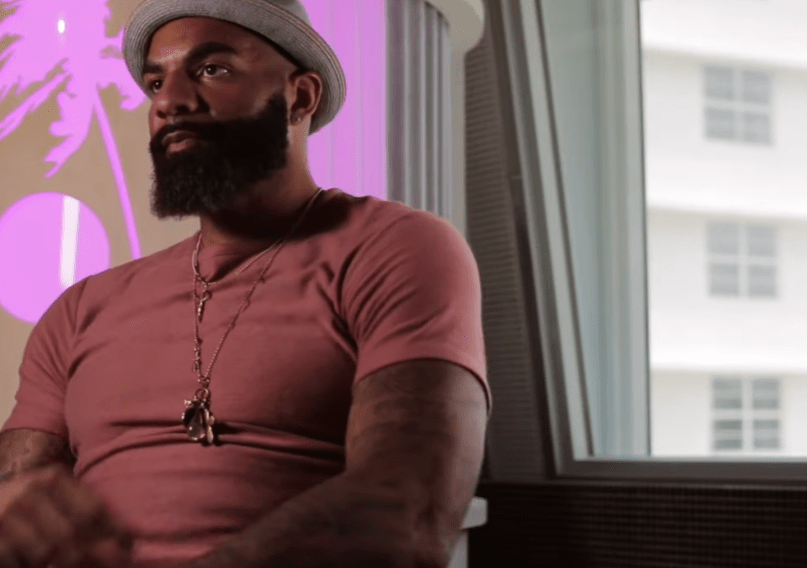
Credit: ESPN
More than just an earnings tale, Carlos Boozer’s transition from hardwood to a remarkably stable and diverse portfolio is a masterclass in adaptation. His estimated net worth in 2026 is $120 million, which is influenced by both peak NBA contracts and well-considered post-retirement choices.
Born on a U.S. military base in West Germany and raised in Juneau, Alaska, Boozer’s early years were characterized by strict rules, protracted winters, and a basketball hoop fastened to the side of a garage. His early perseverance paid off, as he was awarded a scholarship to Duke, where he assisted in winning a national championship in 2001.
| Category | Details |
|---|---|
| Full Name | Carlos Austin Boozer Jr. |
| Birth Date | November 20, 1981 |
| Height / Weight | 6 ft 9 in (2.06 m) / 258 lb (117 kg) |
| Career Span | 2002 – 2017 |
| NBA Teams | Cavaliers, Jazz, Bulls, Lakers, Guangdong Southern Tigers |
| Career Earnings | $146+ million (NBA salary) + endorsements + business ventures |
| 2026 Net Worth | Estimated $120 million |
| Education | Duke University (Graduated 2020, Trinity College of Arts and Sciences) |
| Notable Honors | 2× NBA All-Star, Olympic Gold & Bronze Medalist |
| Reference | Celebrity Net Worth – Carlos Boozer |
Following two successful years in Cleveland, Boozer was embroiled in a contract dispute that caused him to reject a supposed agreement and relocate to Utah. Some perceived betrayal. Business was seen by others. In any case, his life’s trajectory was changed by the $70 million Jazz contract.
He scored 20 points, made postseason runs, and gained a reputation as a dependable double-double machine throughout the league during his prolific tenure at Utah. However, his poise was what made a lasting impression. Although Boozer was never the most showy player, he was rarely let down.
Boozer’s consistency was hampered by injuries, especially in his later years with the Bulls and Lakers, but he never vanished. He delivered what teams paid him for—rebounds, points, and presence—while playing with force and leaning into physicality.
After a brief stint with the Guangdong Southern Tigers in China, pro basketball was quietly shut down in 2017. The next stage, which has been incredibly successful in creating long-term financial security, began at that point.
He has amassed a varied portfolio over the last ten years, including real estate, basketball advisory positions, media appearances, and brand endorsements. He carefully considers when and where to make his TV appearances.
Boozer attracted attention when she joined the cast of Bravo’s dating reality series Kings Court in 2025. He appeared at ease, as if he had been preparing for his media debut all along, sharing the screen with Tyson Beckford and WWE’s Titus O’Neil.
I was mildly curious, so I watched the first episode. I was taken aback by how genuinely at ease he appeared on camera—humorous, grounded, and never overreaching. He held the spotlight with ease and wasn’t attempting to steal it.
That look was a component of a broader personal brand, not a side project. Boozer currently advises on player development in NBA front offices, most notably with the Utah Jazz. His shift to strategic mentoring seems like a logical progression for a man who was formerly recognized for his physical dominance.
The Prince mansion story is arguably the most well-known footnote in his financial narrative. The music icon transformed Boozer’s $8.6 million Bel-Air estate into a purple haven in 2005, complete with carpets, lights, murals, and an improvised nightclub.
Prince calmly assured Boozer that everything would be reversed and sent half a million dollars when he returned, bewildered and frustrated. As promised, everything was back to normal. That story is still in circulation, in part because it’s humorous, but primarily because it depicts the scope and ridiculousness of Boozer’s lifestyle at its height.
He has created a familiar yet changing persona by utilizing high-profile investments and keeping close ties to basketball. His journey hasn’t been spectacular, but it has been calculated, subtly adding value in ways that seem especially advantageous in the current economic climate.
He has been able to maintain his reputation in entertainment while conserving capital through surprisingly low-cost real estate transactions and well-selected alliances. He feels more like someone curating his next act than a retiree.
Boozer is much more than his highlight reels these days. He is a mix of investor, showman, and consultant, and he has significantly improved in each of these capacities since leaving the court.
Carlos Boozer has transformed athletic discipline into entrepreneurial momentum through persistent planning and a high level of financial literacy. He has increased wealth rather than merely maintaining it.
Boozer’s name may no longer be the first thing that comes to mind when we think about 2026 and beyond, but his story is still developing—with depth, intelligence, and a remarkably composed confidence that reflects a life built intentionally rather than reactively.
