

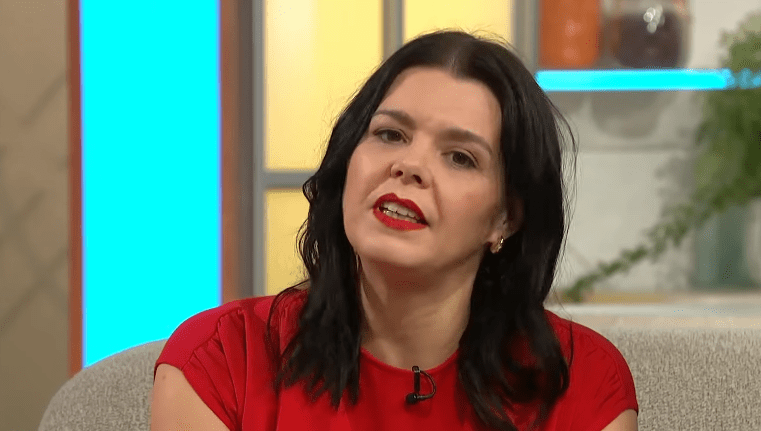
Credit: Lorraine
The LadBaby controversy reads like a contemporary cautionary tale about digital stardom, where commonplace domestic humor met institutional scrutiny and where quick success elicited about equal parts praise and suspicion.
Their early videos, which were shot cheaply and posted without a plan, resonated because they were immediate and unvarnished, like a neighbor calling in with a joke rather than a polished advertisement. This authenticity became the foundation of a brand that, by 2018, had grown into a fundraiser and novelty-music phenomenon that raised significant sums for the Trussell Trust. They started by filling a gap by providing candid, humorous snapshots of parenting that felt familiar and accessible.
| Field | Information |
|---|---|
| Names | Mark Hoyle & Roxanne Hoyle (LadBaby) |
| Profession | Content creators, novelty music artists, authors, charity collaborators |
| Born | Mark (1987), Roxanne (1984) — United Kingdom |
| Known for | Five consecutive UK Christmas No.1 singles (2018–2022), fundraising with Trussell Trust, viral family content |
| Key controversy | 2022 nightclub video allegation and blackmail attempt, online trolling, false charity claims (all denied) |
| Family | Married with two children |
| Platforms | YouTube, Facebook, TikTok, Instagram (13M+ followers combined) |
| Reference | The Guardian |
As their profile grew, the dynamic changed and the public’s desire for intimacy turned into a double-edged sword, with viewers using their access as a license to criticize, question, and demand moral accounting. Notably, rumors that money was not going to charity persisted despite explanations, highlighting a contemporary reality: once mistrust is established online, it is notoriously stubborn and challenging to dispel.
The most upsetting incident occurred in 2022 when a brief, grainy video was sent to the couple privately along with a demand for money. This was a classic case of blackmail, but it became a public ordeal when the clip leaked and spread across platforms. Although the video was unclear and swiftly deleted per platform policies, it nevertheless sparked a barrage of accusations, and the Hoyles have repeatedly denied that the man in it is Mark, claiming that they refused to pay the extortionists and consequently suffered the repercussions of having that footage weaponized.
The human cost of a persistent online assault was brutally evident: Roxanne’s long history of body-shaming remarks and Mark’s emergence of panic attacks demonstrate how celebrity can expose personal vulnerabilities to public scrutiny. When threatening messages got out of hand, the couple sought police assistance, and anti-terror advisers were eventually called in. This is a clear illustration of how trolling can turn into real threats that require a significant institutional response.
The Hoyles were repeatedly, sometimes unjustly, stung as rumors and incomplete evidence combined to create damaging narratives. To put the fallout in context, it helps to think of social media as a swarm of bees: when the mood is sweet, the swarm gathers, pollinating projects and boosting visibility; when anger spreads, the swarm becomes restless and stings indiscriminately, targeting nuances and erasing the lines between innocent misstep and culpable wrongdoing.
They had collaborated with well-known artists and raised money and awareness, but the emotional toll of defending their intentions and responding to false information made retreat, for a while, the most strategically sound course of action. Their decision to stop releasing Christmas singles after five consecutive No. 1s was more than just an artistic pause; it was a protective recalibration that reflected how donors, fans, and critics became entangled in a feedback loop that turned charity singles into lightning rods for cultural disputes.
This episode also shows how audiences treat creators who start out as working-class or ordinary differently; quick financial or social mobility can lead to accusations of “selling out,” even when success results from sincere hard work and creativity, and this suspicion frequently reflects deeper concerns about attention economies and class mobility.
However, the story is not just about harm; there are also useful lessons and positive ways to move forward. For example, creators can safeguard themselves by fostering financial transparency and independent verification for fundraising, which creates incredibly clear trust with audiences; platforms can create more responsive takedown and verification mechanisms to stop the viral spread of unclear content; and audiences can practice more measured skepticism, a cultural goal that is completely attainable if media literacy is emphasized in public discourse and education.
A more mature ecosystem would provide legal advice, crisis communications training, and psychological support as standard, significantly lowering the risk of long-term damage. From a practical standpoint, the LadBaby controversy also highlights the need for better creator support systems, particularly around mental health and security. For many digital creators, ad hoc fame arrives without a safety net, leaving them vulnerable to threats, exploitation attempts, and reputational assaults.
The couple’s insistence on keeping their children’s welfare at the center of content decisions—allowing the kids to opt out and reducing visibility when necessary—is a policy stance that other family creators would do well to adopt. It also suggests a forward-looking model in which family-focused channels adopt ethical guidelines around consent, privacy, and age-appropriate exposure, protecting young participants while fostering healthy creativity.
Culturally, this controversy leads to a more benevolent discussion of what society expects from public figures who raise money. If charitable impact is the criterion, then independent audits and regular reporting should be presented proactively rather than defensively, and those who raise money for causes could automatically include transparent receipts or updates, which would make it more difficult to maintain suspicion and significantly increase community trust.
Another perspective is that of media responsibility: commentators and outlets should be conscious of how their publication choices can magnify harm, and editors may decide to implement guidelines for contextualizing ambiguous content so that reporting emphasizes uncertainty rather than sensational certainty. Measured journalism, which provides context and restraint, would be especially helpful when dealing with extortion narratives and grainy videos that, if spread carelessly, can destroy lives.
Leaning into close relationships, seeking professional help, and rephrasing experience as learning rather than defeat are practical strategies that help rebuild confidence after prolonged public pressure. Mark and Roxanne’s resilience—talking about the therapy-like clarity that comes from writing a memoir and describing mutual support as vital—offers a human lesson about coping mechanisms that transcends celebrity.
Addressing this mismatch is both a social challenge and an opportunity — a chance to promote better digital etiquette, more forgiving public discourse, and systems that protect creators without stifling creativity. The LadBaby controversy, as a broader cultural trend, is representative of how internet fame compresses achievement and accountability into a tight space where audiences demand constant moral clarity but rarely extend the patience required for nuance and rehabilitation.
Practically speaking, audiences can respond by preferring independent verification over rumors, platforms can support rapid-response teams to combat extortion and doxxing, and creators can take proactive measures now to create a safer and more sustainable environment for digital creators. These actions include setting up clear lines for charity accounting, limiting personal data exposure, and scheduling legal or security consultations early in their careers.
In the end, the LadBaby controversy is a motley patchwork: it includes tragedy and hate, creative fundraising and popular love, and it pushes us to create institutional and cultural responses that are hopeful and forward-thinking, allowing creators to keep creating captivating content while being protected by reasonable safeguards and social norms that uphold both individual liberty and dignity.
Their experience highlights a practical necessity—balancing transparency, safety, and creativity—and implies that the painful lessons of this episode can spur changes that make the digital sphere healthier, more giving, and considerably less dangerous for those who choose to share their lives publicly, provided that audience maturity, platform responsibility, and creator readiness are all in balance.
