

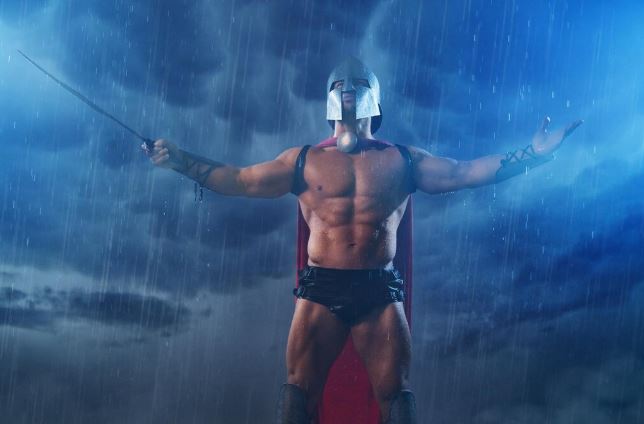
A man being dragged into a Berlin courtroom for filming a stranger dancing has a subtly ridiculous quality. Nevertheless, Matthias Fritsch experienced something similar. During the Fuckparade in the summer of 2000, he recorded four minutes of footage while perched on the back of a slow-moving truck with a techno-heavy DJ behind him. He was unaware that the next ten years of his life would be consumed by the clip.
The man in the video, who is braided, shirtless, and has a tiny Mjölnir dangling from his neck, never requested to be filmed. He never requested to be the unofficial god of discipline on the internet. However, the Techno Viking became well-known after the video appeared on YouTube in 2006 and spread to 4chan a year later. comic books. figures of action. paintings in oil. Thousands of remixes. The real man was living his life somewhere in Berlin, most likely at work, and most likely unaware that his face had turned into a meme with its own economy.
| Techno Viking Lawsuit — Key Facts | |
|---|---|
| Original Video Title | Kneecam No. 1 |
| Filmmaker | Matthias Fritsch |
| Event Filmed | Fuckparade, Berlin |
| Date of Filming | 8 July 2000 |
| Year Went Viral | 2007 |
| Lawsuit Filed | July 2012 |
| Court | Berlin Civil Court |
| Verdict Date | June 2013 |
| Damages Paid by Fritsch | Approximately €13,000 |
| Legal Costs | Around €10,000 |
| Legal Basis | Personality and image rights |
| Filmmaker’s Response | Crowdfunded documentary, “The Story of Technoviking” (2015) |
| Original Video Views (by 2013) | Over 16 million |
| Current Status of Meme | Still circulating online, though Fritsch’s versions remain restricted |
It’s difficult to avoid feeling sympathy for both parties. By his own admission, Fritsch made about €10,000 from a small merchandise store and YouTube advertisements. Not a lot of money. Not even close to the €250,000 that his accuser’s attorneys initially demanded, according to early reports. The matter went to court in 2012 after Fritsch declined. The plaintiff asserted that he had never agreed to be transformed into a brand and claimed that his personality and image rights had been violated.
At least in part, the German court concurred. Fritsch was ordered to pay nearly €10,000 in legal fees and approximately €13,000 in damages in June 2013. Additionally, he was instructed to cease publishing any images of the man, including pixelated versions, stills, and videos. Digital erasure was required for each frame. It was an odd kind of triumph. The meme itself continued to spread because the ruling only applied to Fritsch. The video, which was hosted by individuals the court never dealt with, is still easily accessible.
There’s a strange melancholy to this as you watch it happen from a distance. According to Fritsch, he believed that the Techno Viking and he were both victims of the same internet. The persona was not created by either. The community did, including the editors, the forums, and the young people creating YouTube parodies at two in the morning. However, the legal system is ill-equipped to deal with that. Long before anyone thought a face could travel the world in an afternoon, German personality rights were drafted in 1907.
In the end, Fritsch declared bankruptcy. Additionally, he produced the 2015 documentary “The Story of Technoviking,” in which the main character moves through the frame as a black void, a literal blank spot. It’s a powerful picture. Censorship is exposed.
Really, there are still unanswered questions raised by the case. A moment caught in a public square belongs to whom? When culture is constructed on top of a stranger’s face, what happens? Reading through the court summaries and old interviews gives me the impression that everyone lost something. Fritsch lost both peace and money. The Viking was no longer anonymous. For reasons that nobody can quite pinpoint, the rest of us have a meme that we will most likely never stop sharing.
