

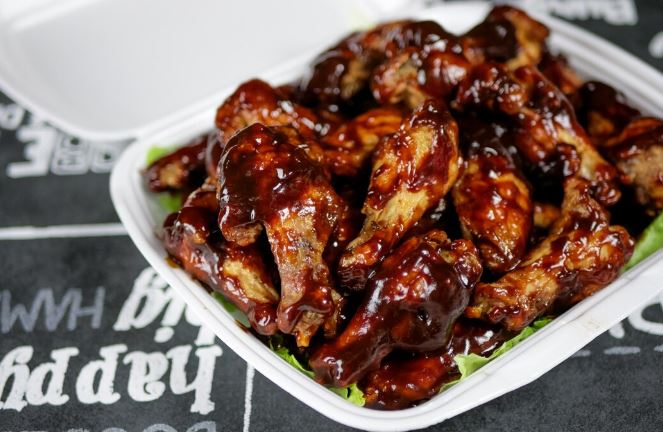
The Buffalo Wild Wings off a busy suburban highway looks just like it would on a normal Thursday night: TVs flickering above the bar, servers scuttling between tables while balancing trays of sauces in every possible shade of red, and families arguing over drumettes versus flats. Federal court was probably the last thing on the minds of most diners. However, the chain’s “boneless wings” were the subject of a lawsuit for almost three years, which brought up the curiously philosophical question of what exactly qualifies as a wing.
The lawsuit started in 2023 when Aimen Halim, a resident of Chicago, accused Buffalo Wild Wings of using misleading marketing. He maintained that the boneless wings on the chain were actually pieces of chicken breast, or “essentially chicken nuggets,” as the complaint stated, rather than deboned chicken wings. Halim claimed he felt deceived and financially harmed after purchasing them at a store in Mount Prospect, Illinois, and that he would not have paid the same amount if he had known their actual makeup.
| Company Name | Buffalo Wild Wings, Inc. |
|---|---|
| Founded | 1982 |
| Headquarters | Atlanta, Georgia, USA |
| Industry | Casual Dining / Sports Bar |
| Parent Company | Inspire Brands |
| Lawsuit Filed By | Aimen Halim (Chicago, Illinois) |
| Key Ruling | Case dismissed by U.S. District Judge John Tharp Jr. |
| Legal Basis | Alleged violation of Illinois Consumer Fraud Act |
| Official Website | https://www.buffalowildwings.com |
It’s difficult to ignore how contemporary this complaint feels. The distinction between deceit and marketing jargon has become increasingly blurred in a time when consumers question corporate language and closely examine ingredient labels. Words count. However, common sense also does.
In a decision that appeared to take pleasure in its own wordplay, U.S. District Judge John Tharp Jr. dismissed the lawsuit earlier this week. He wrote that there was “no meat on its bones” in the argument. He pointed out that the term “boneless wings” has been around for more than 20 years. He argued that a sane buyer would not believe they were deboned, reassembled wing sections.
That wording has a subtly revealing quality. The court was more concerned with consumer expectations than with the anatomy of poultry. Tharp agreed that Halim had standing to sue because his claim of economic injury was believable. However, he came to the conclusion that the majority of patrons recognize boneless wings as simply breaded pieces of white meat that are fried and tossed in sauce.
That fact becomes apparent after just five minutes in a Buffalo Wild Wings. The boneless version comes in uniform nugget-like shapes, stacked in a basket with a small plastic cup of ranch and celery sticks. They are more kid-friendly, less messy, and simpler to eat. There isn’t much misunderstanding about what’s on the plate when you watch a group of teenagers smash a basket before halftime.
However, Halim might have capitalized on a more widespread cultural annoyance. Menu language frequently treads carefully. Almond “milk,” plant-based “meat,” and even the term “buffalo wing” itself are not exact. As the judge noted, buffalo wings actually contain no buffalo at all. Particularly in food, language changes over time. It’s still unclear if courts should regulate that evolution.
For its part, Buffalo Wild Wings didn’t duck under the rug. The business made a humorous social media response to the lawsuit when it first surfaced in 2023, saying, “Our boneless wings are all white meat chicken.” There is no ham in our hamburgers. We don’t use buffalo for our buffalo wings. It was a scathing, almost playful response, indicating that the chain recognized the situation’s danger as well as its ridiculousness.
The business leaned in once more after the dismissal, marketing its weekly Thursday buy one, get one free boneless wing promotion as a sort of victory lap. Investors appear to think that the decision eliminates any significant legal risk. There was no lurch in the stock. The dining rooms remained occupied. The case, if anything, encouraged free publicity.
However, there is a subtle tension underneath the humor. Laws against consumer fraud are in place for a purpose. Like any other business, restaurants are not allowed to mislead customers about the products they are purchasing. Halim acknowledged that it was hard to think of new facts that would alter the verdict, but the judge gave him until March 20 to revise his complaint. It seems like the legal door is essentially closing even though it is officially open as we watch this play out.
But the argument isn’t going away. The long-standing debate over whether boneless wings are actually wings has been rekindled by social media posts. According to some diners, the name is customary. Others scoff and refer to them as better-branded nuggets. Oddly, both sides feel invested.
Perhaps this case speaks more about trust than it does about poultry. Today’s skeptical consumers look for hidden clauses and fine print. In the meantime, businesses use abbreviations to sell goods fast in crowded marketplaces. The courtroom turns into a platform for cultural negotiation when that shorthand is contested, even over something as unimportant as a fried chicken appetizer.
Boneless wings weren’t invented by Buffalo Wild Wings, and it probably won’t be the last business to defend a menu item. However, this lawsuit has compelled a brief moment of contemplation regarding the ways in which language shapes expectations. The judge ultimately decided in favor of common usage over literal interpretation.
All of this doesn’t seem to matter much back at the sports bar. The table is hit by a basket. Fluorescent lights make the sauce shimmer. Without raising their eyes from the screen, someone reaches for a piece. It vanishes in two bites, whether it’s a wing or a nugget. While the debate in the dining room feels almost academic, the legal drama lingers online. And that might be the most obvious indication of all.
