

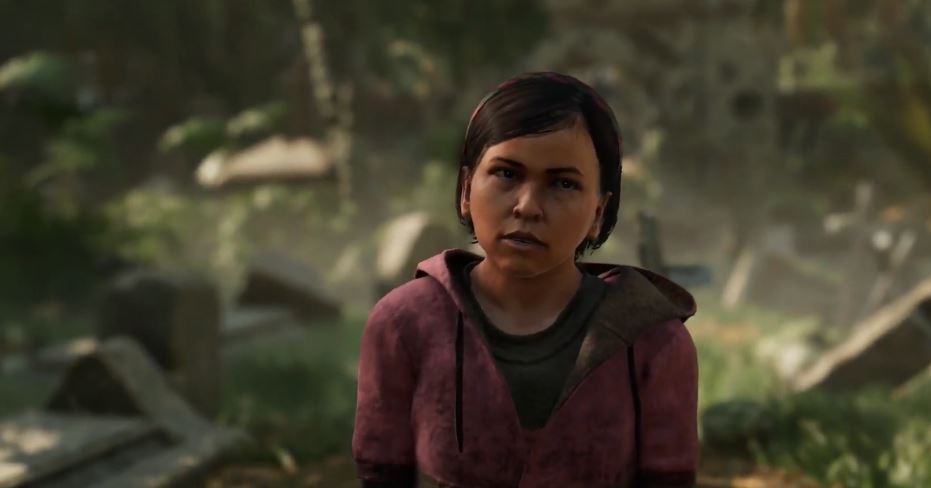
From the outside, Crystal Dynamics’ offices don’t appear to be in a crisis. Teams are still creating worlds in Redwood City, complete with jungles, ruins, puzzles, and all the recognizable textures of Tomb Raider, while the glass buildings continue to reflect the California sun. However, a different type of pattern that is more subtle and difficult to ignore has recently emerged.
This month, 20 more workers were let go. It’s not the first time. Not even near. The studio has made staff reductions in March, August, November, and again in the last year. Even though the company maintains that it is only “aligning teams” with long-term goals, there is a sense that something structural is changing as this develops.
| Category | Details |
|---|---|
| Company | Crystal Dynamics |
| Founded | 1992 |
| Headquarters | Redwood City, California, USA |
| Parent Company | Embracer Group |
| Known For | Tomb Raider series |
| Recent Layoffs | 20 employees (March 2026) |
| Layoff Pattern | 4 rounds within 12 months |
| Current Projects | Tomb Raider: Legacy of Atlantis, Tomb Raider: Catalyst |
| Industry | Video Game Development |
| Reference Website | https://www.crystald.com |
Aligning teams is a term that frequently appears in business statements. It sounds tidy, almost medical. However, in reality, this results in people packing up their desks, Slack channels becoming silent, and incomplete conversations vanishing. It’s difficult to ignore how the polished language used to describe that reality differs from how it actually feels.
Phases of development are linked to the official explanation. Teams grow and shrink as projects change. To a certain extent, that is accurate. Game development has always been cyclical, with highs and lows during and after production. However, four rounds of layoffs in one year point to something more enduring and unpredictable.
Tomb Raider: Legacy of Atlantis and Tomb Raider: Catalyst are two of the studio’s major projects. These are not minor undertakings. They are costly, ambitious, and essential to the studio’s future. Although the company maintains that the layoffs won’t have an impact on development, it’s still unclear how frequent cuts will not eventually affect deadlines or quality.
Developers occasionally discuss these changes informally—on social media, in quiet posts, or even in a single sentence—but this is frequently disregarded. “Searching for fresh possibilities.” It is succinct and almost restrained, but it is powerful. There are unfinished projects and interrupted careers behind each of those posts.
This might involve more than just Crystal Dynamics. Something similar has been happening in the larger gaming industry. Both big and small studios have been cutting employees while still releasing new games. After years of rapid expansion during the pandemic, investors appear to be reevaluating their expectations. Growth slowed. Expenses didn’t.
The shadow of previous choices is another. Conversations in the industry are still affected by the studio’s involvement in unsuccessful projects like Marvel’s Avengers. Additionally, there are outside variables like parent company demands, canceled partnerships, and changing priorities. Each one adds a level of intricacy that is absent from a straightforward layoff announcement.
There’s usually a certain vibe when you walk through a game studio during development—whiteboards covered in sketches, monitors showing partially completed levels, and discussions ranging from technical to creative. Layoffs alter that energy, but it doesn’t go away instantly. subtly. People start to be wary. Discussions change. There’s a silent knowledge that stability isn’t assured.
It matters that the company claims to offer assistance with job placement and severance. It is beneficial. However, it doesn’t eliminate the uncertainty. Particularly in a field where layoffs are becoming more frequent and where cuts made by one studio frequently reflect those made by another a few weeks later.
However, the work is still ongoing. That’s the peculiar aspect. Games continue to advance even as teams get smaller. Trailers are made available. There are announcements. It may appear to the outside world that nothing has changed. On the inside, however, things are different—leaner teams, more pressure on those who stay, and tighter deadlines.
Observing this pattern repeatedly gives the impression that the conventional big-budget game development model is under pressure. Large teams, protracted development cycles, rising expenses—it all adds up. Studios are attempting to adapt, making structural adjustments, trimming where possible, and looking for balance.
The sustainability of this strategy is still up for debate. It appears to be the industry’s current trajectory. Gradually, one round of layoffs at a time, rather than drastically and all at once.
Additionally, the narrative at Crystal Dynamics feels incomplete. The games will continue to be released. The studio remains intact. However, the beat has shifted. It’s difficult to ignore once you’ve noticed it.
