

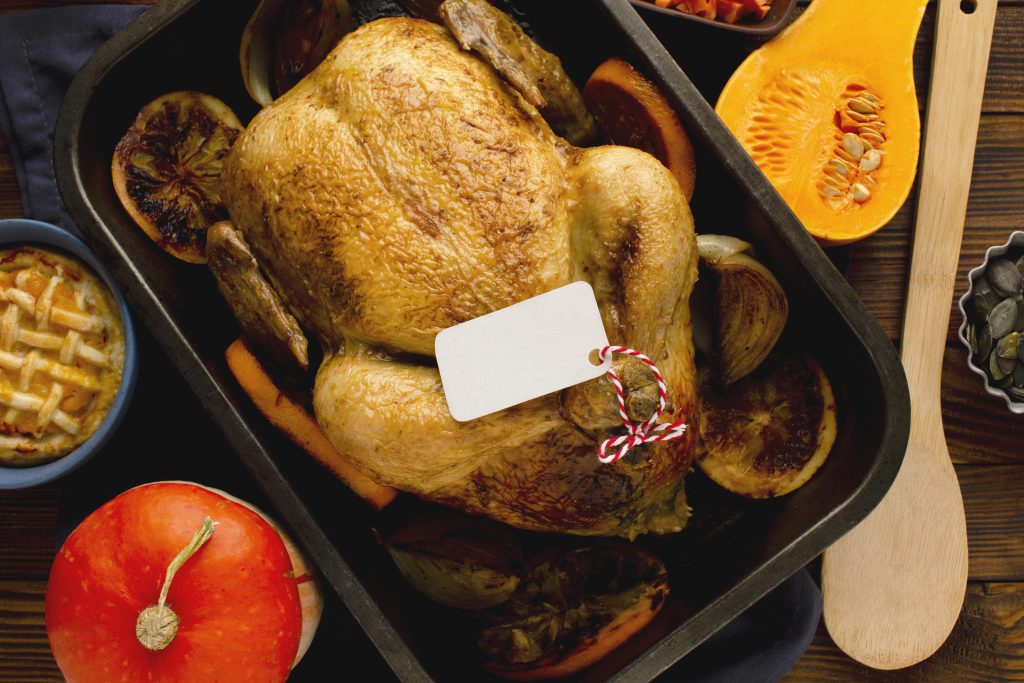
Rotisserie chicken, which costs $4.99 at Costco, has become somewhat of a cult favorite. It’s comforting, convenient, and strikingly affordable. Even when they come in for nothing at all, it’s the one item that many customers grab. But this week, that same chicken became the centerpiece of a proposed class action lawsuit filed in a California district court.
Two customers, Bianca Johnston and Anastasia Chernov, are accusing Costco of falsely advertising the rotisserie chicken as “preservative-free,” even though it contains sodium phosphate and carrageenan—two ingredients known for stabilizing texture and retaining moisture in cooked foods.
| Topic | Details |
|---|---|
| Product | Kirkland Signature Seasoned Rotisserie Chicken |
| Price | $4.99 (steady since 2009) |
| Allegation | Misleading advertising—labelled “no preservatives” despite containing sodium phosphate and carrageenan |
| Plaintiffs | Bianca Johnston and Anastasia Chernov (California-based customers) |
| Court | U.S. District Court, Southern District of California |
| Laws Referenced | California’s CLRA, False Advertising Law, Washington Consumer Protection Act |
| Costco’s Response | Removed “no preservatives” signage; affirms additives are approved and used for consistency |
| Date Filed | January 22, 2026 |
| Reference | KOMO News |
They’re not saying the chicken is dangerous. They’re saying it was misleadingly marketed, and that they would have thought twice—or at least paid less—had they known what was really inside. Their legal argument hinges not on chemical danger, but on clarity and customer expectation.
The words “no preservatives” are prominently displayed in photos of packaging and signage, both on the Costco website and in physical stores. These pictures are now a major component of the plaintiffs’ argument.
Costco acknowledged the problem and has since taken those statements down from its digital listings and signage. The company said the additives are not categorized as chemical preservatives by food safety regulators, and emphasized they’re used to improve texture and maintain cooking consistency. Both ingredients, it added, are widely approved by food safety authorities.
From a regulatory angle, the case may seem gray. The FDA doesn’t define “preservative-free” as a legal term, and neither sodium phosphate nor carrageenan is strictly listed as a preservative under U.S. guidelines. But legal experts say that won’t necessarily shield Costco if the phrase misleads a reasonable shopper.
That’s where this lawsuit gets particularly interesting. Consumer protection laws tend to focus not just on what a company meant to say—but on what a shopper reasonably believed.
A phrase like “no preservatives” suggests simplicity. In a store filled with options, it stands out like a beacon of purity—especially to customers scanning labels for family meals or dietary restrictions. And when that expectation is contradicted, even subtly, it can feel like a breach of trust.
Costco, it’s worth noting, sells an astonishing number of these birds. Over the past year, they moved more than 137 million rotisserie chickens—an exceptionally clear indicator of customer demand and loyalty. The company has also been remarkably effective in holding the price steady at $4.99, despite years of inflation.
That loyalty is likely why many customers say they’re not changing their habits, even after hearing about the lawsuit. People say things like “I’ll still buy it” or “It’s not a big deal” in social media threads, frequently with jokes about the hot dog combo still costing $1.50.
That being said, the case is not without merit. In fact, it might test something broader than one chicken—it could become a bellwether for how retailers define marketing language.
As a reporter who’s followed food industry claims for years, I paused when I read that the plaintiffs would’ve reconsidered their purchase based on the label alone. Trying to decipher promises written in upbeat fonts while squinting at ingredients is something I have experienced.
It’s surprisingly easy to trust a product when it’s wrapped in a brand as dependable as Costco. That’s precisely what makes this kind of case so consequential. It’s about front-facing messaging, not fine print.
The court will probably consider how the typical consumer understands a label in context in addition to the preservatives’ exact definition, according to legal experts. It is a legal requirement based on common sense rather than chemistry.
While sodium phosphate aids in moisture and pH balance, it is not classified as a “primary preservative” by FDA regulations, according to food policy advisor Dr. Darin Detwiler. Similarly, carrageenan, which is derived from red seaweed, functions as a stabilizer rather than a spoilage inhibitor. In theory, Costco is not violating any food safety regulations.
Yet those distinctions might not matter in court if the messaging is deemed misleading under California and Washington’s consumer protection statutes.
Companies’ use of positive, upbeat language on packaging, particularly terms like “no additives,” “all natural,” or “clean label,” may be impacted by this case. These assertions are emotionally charged, and when they are questioned, the consequences can be far-reaching.
A number of brands have already been forced to improve their packaging in recent months due to rising consumer awareness, striving for language that is both emotionally and legally transparent. This lawsuit might accelerate that shift.
For Costco, which thrives on brand trust and product consistency, the impact of this case could go deeper than one recipe tweak. A court ruling could set new expectations, reshaping how food marketers approach label design across the board.
Still, the chickens haven’t stopped turning. They continue to glow under warm lights in the back of every warehouse, snapped up daily by shoppers looking for a quick dinner.
But beneath that familiar surface, something is changing—quietly, steadily, and perhaps inevitably. A single phrase, once trusted, is being examined under a microscope. Furthermore, the lawsuit has already spurred a broader discussion about marketing, truth, and the significance we attach to the food we purchase, regardless of its outcome.
