

In November 2024, Gavin Park, Gavin Maher, and Adele MacLeod of Teneo Financial Advisory entered the Homebase operation amid the rubble of one of the more protracted slow collapses in British retail. Even for a sector that has become used to bad news, the figures, which are now fully detailed in an administrator’s report, are startling: a total of £803 million owed, 2,300 jobs lost, and 1,299 creditors facing the possibility of receiving nearly nothing.
The Homebase collapse was not sugarcoated by the Teneo administrators. Declining consumer confidence, high inflation, costly freight, shipping delays, and unfavorable weather patterns during the busiest spring and summer seasons—when retailers like Homebase rely most heavily—were all cited as contributing factors to the losses in their official language. For the better part of three years, this list has been a common sight in British retail administration notices. Familiar, but that doesn’t make it any less harmful.
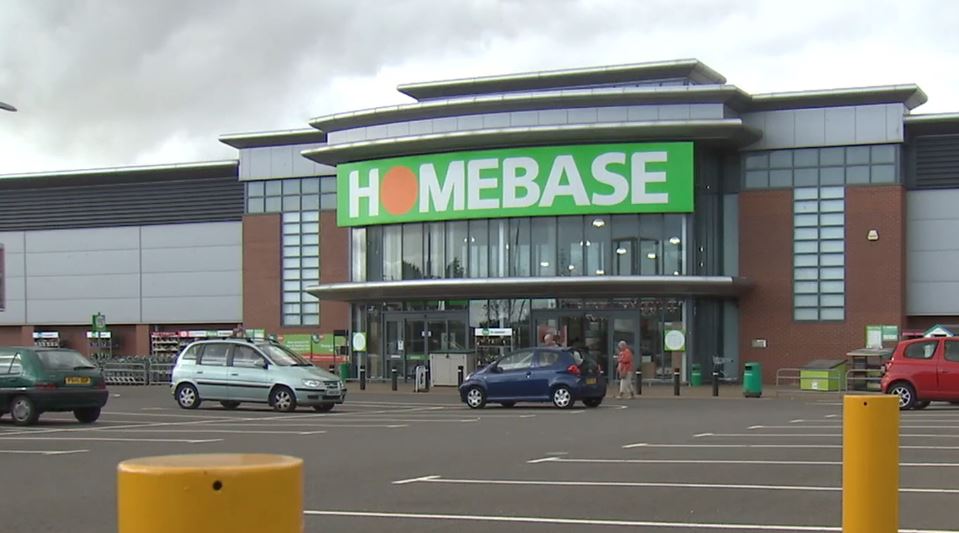
The specific form of the Homebase story’s failure is what gives it a unique feel. In fact, the business had seen a boom during and right after the pandemic as locked-down households turned to power tools, paint rollers, and garden furniture with unprecedented zeal. There was a demand. The margins were fair. A false sense of stability may have been created during this time, concealing structural flaws that would eventually come to light as consumer behavior normalized. Before administration was formally entered, trading conditions had become truly challenging by 2022 and 2023, and losses had risen to more than £59 million.
The Homebase intellectual property and 70 stores were sold by the Teneo administrators to CDS Superstores International, a company owned by retail tycoon Chris Dawson, who also runs Wilko and The Range. £25.6 million was the cost. That number carries a sense of depressing finality for a company that once had 135 locations and employed over 3,000 people. In November 2024, about 1,150 workers moved to the new ownership. In March 2025, the remaining stores closed and ceased operations.
The situation is complicated for those workers who are left behind. There were about 2,300 wage and redundancy claims filed, totaling about £938,000. This is a small amount compared to the total amount of debt, but it doesn’t give people much comfort. Payments totaling £57.5 million have been made to Ark Finco, one of the secured creditors owed £80 million, after the company made some of its distributions available to laid-off employees. The £20.1 million owed to Wells Fargo Capital was fully paid back. In a post-mortem such as this one, HMRC filed a claim for £10.2 million in unpaid PAYE and national insurance contributions.
The story really takes a turn for the worse when it comes to the unsecured creditor position. One £523 million unsecured claim from Ark Finco itself accounts for the majority of the 1,299 claims totaling £693 million.
The administrators have made it clear that they do not anticipate having enough money to distribute to unsecured creditors in any meaningful way; the maximum prescribed part fund anticipated is £800,000 against £693 million in claims. It’s not a rounding error. That is almost a complete loss.
From the outside, it seems almost inevitable that Homebase would follow this path after the embarrassing conclusion of the Wesfarmers era. After purchasing the company in 2016, the Australian conglomerate fired the senior management team, misjudged British consumer behavior, discontinued popular kitchen and bathroom lines, and sold it to Hilco for £1 in 2018. Hilco attempted to stabilize and reduce expenses, but the company was never able to regain its lost market share. A brief respite was offered by the pandemic. The last pressure came from the cost-of-living crisis.
Before the administration ends, which is currently planned for November, it is still unclear exactly what, if anything, unsecured creditors can reasonably expect. It was found that the Scottish leasehold assets that were expected to be a potential source of recovery for that group carried fixed charge security, which eliminated them from the pool accessible to unsecured creditors. One more door shut.
Online, the Homebase name is still in use. The actual stores are either empty or have been converted into The Range locations. The signage in Britain’s retail parks has evolved.
FAQs:
Q: Who are the Teneo administrators on the Homebase collapse?
A: Gavin Park, Gavin Maher, and Adele MacLeod of Teneo Financial Advisory.
Q: How much did Homebase owe when it collapsed?
A: A total of £803 million across 1,299 creditors.
Q: Who bought Homebase out of administration?
A: Chris Dawson’s CDS Superstores, trading as The Range and Wilko, for £25.6 million.
Q: How many jobs did the Homebase collapse cost?
A: Around 2,300 people lost their jobs.
Q: Will unsecured creditors recover their money?
A: Unlikely — only £800,000 is expected against £693 million in claims.
