

Dan Jarvis was appointed in the aftermath of John Healey’s resignation, taking on a position that colleagues claim he was constantly circling, even though the timing could hardly be worse. There is something almost theatrical about the way Jarvis became Britain’s new defence secretary. By Friday morning, the former paratrooper was showing up at Number 10 with a calm expression that suggested he had been informed of how challenging this would be.
Jarvis’s military history in Kosovo, Northern Ireland, Iraq, and Afghanistan goes beyond simple biographical color. It influences how he is perceived by others. Most people at Westminster agree that he took the poisoned brief out of a sense of duty rather than political expediency. One Labour MP remarked, “He’ll have done it out of a sense of duty,” with a sort of resigned admiration. It remains to be seen if that trait will help him in the upcoming weeks.
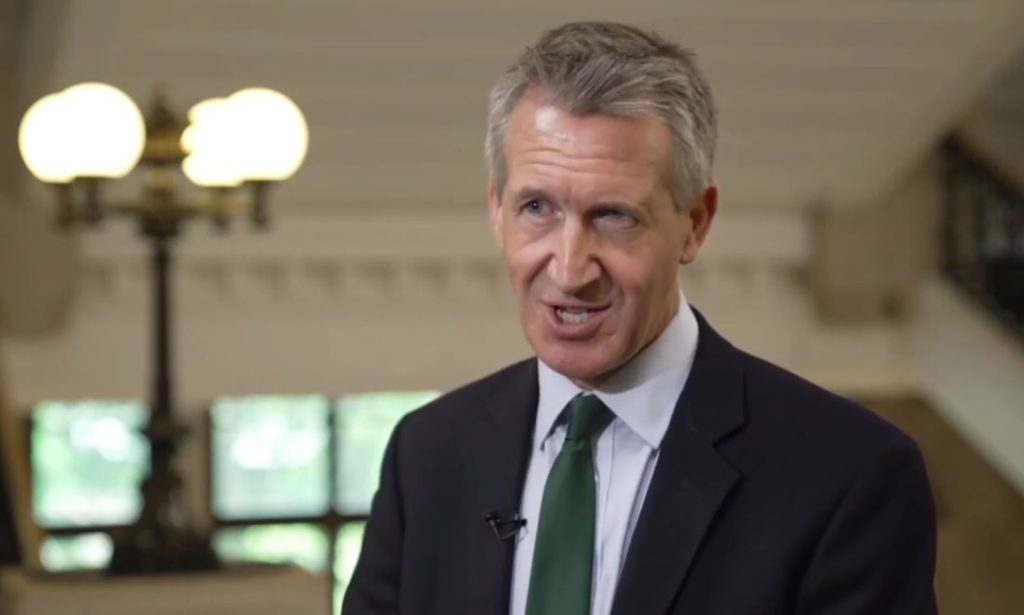
He inherited a chaotic situation that existed before him. Healey quit, citing an inadequate defense investment plan. The minister of armed forces, Al Carns, then went on to publicly declare that the military is underfunded. It is not a small internal disagreement that two high-ranking defense officials appeared to agree on the magnitude of the deficit during the same week. It implies a structural issue between the Treasury, Number 10, and what the MoD really requires. Now, knowing full well that substantial expert opinion is against him, Jarvis must sit in front of NATO allies and make the numbers seem credible.
Even though it won’t solve the funding math, Jarvis’s greatest asset—his reputation as a cool-headed, straightforward individual with no particular taste for Westminster drama—might be exactly what this department needs right now. He is frequently referred to as “honourable,” “a good bloke,” and “centrist as a person can be” by Labour MPs. Some people find those attributes comforting. Others are subtly more skeptical, especially several female coworkers who have witnessed a string of uniformed men rise through Labour’s security apparatus. One said, “It’s more of the ‘men who talk with confidence’ rather than political leadership,” with a candor that was a little painful.
His Friday started with a rather chaotic appearance at the opening of a drone testing facility in Swindon, where the companies in attendance were reportedly instructed not to bring up the defense investment plan, which was the main topic of discussion for the majority of the audience. Jarvis seems to be aware of what he has entered and is opting to wait it out for the time being.
To put it mildly, there is no guarantee that Keir Starmer will still be in charge of the government when the defense investment plan is finalized. Next week, Andy Burnham is scheduled to return to Westminster, and Labour is no longer discussing the succession in the corridors. It’s outdoors. Because of this uncertainty, Jarvis’s role is even more perplexing: he is performing a challenging job for a leader whose tenure is in doubt on a brief that both of his predecessors deemed unfeasible. Observing this from the outside, it’s difficult not to feel sorry for a man who had the option to decline but chose not to.
FAQs
1. When was Dan Jarvis appointed as UK Defence Secretary?
He was appointed on 11 June 2026, replacing John Healey.
2. Why did John Healey resign as Defence Secretary?
Healey resigned over a defence investment plan he considered financially inadequate.
3. What is Dan Jarvis’s military background?
He served as a British Army paratrooper in Kosovo, Iraq, and Afghanistan.
4. What is the main challenge facing Jarvis in his new role?
Defending an underfunded military plan before NATO allies who doubt its credibility.
5. Did Al Carns also resign alongside John Healey?
Yes, Carns quit separately, stating the military wasn’t sufficiently funded.
