

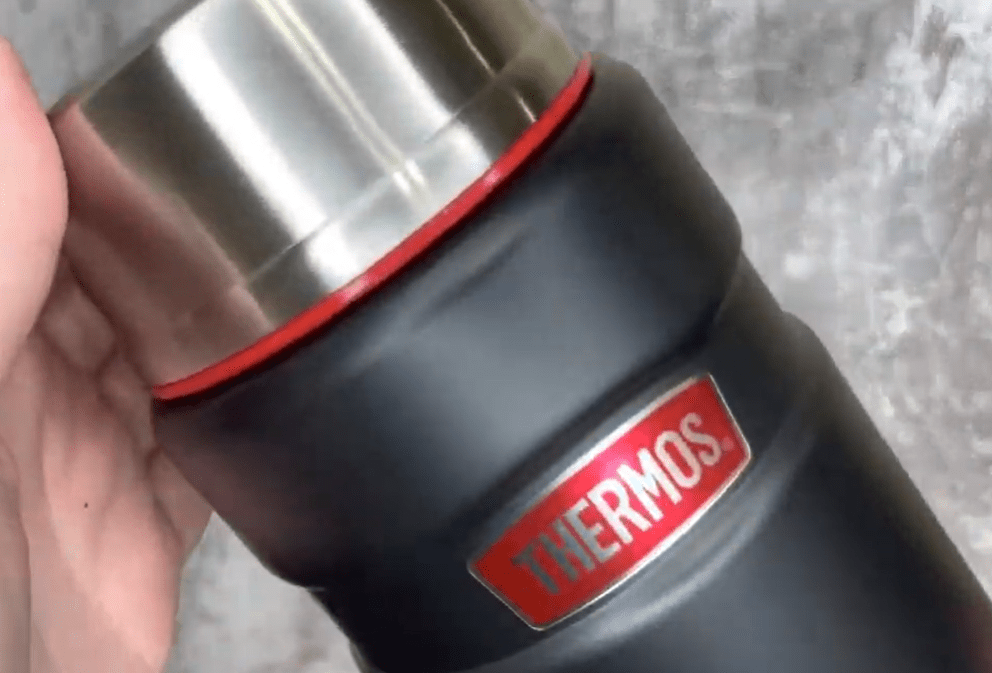
There’s something quietly unsettling about a recall that involves an object most of us have stopped thinking about. A Thermos isn’t a car. It isn’t a crib or a power tool. It’s the dented metal cylinder sitting at the back of a cupboard, the one you grab when packing soup for a hike or coffee for a long drive. And yet, on April 30, the U.S. Consumer Product Safety Commission announced that 8.2 million of them are being pulled back from American kitchens, after reports that the stoppers on three popular models can launch upward like a small, blunt missile.
Three people have lost their vision permanently. That detail keeps surfacing in every news report, and it should. The recall covers the Stainless King 3000, the 3020, and the Sportsman 3010 — workhorse containers that have been on Target and Walmart shelves since 2008. The flaw, according to Thermos and the CPSC, sits in the design of the stopper itself. There’s no pressure relief in the center. Leave perishable food sealed inside long enough, and gases build up, and when you finally twist the lid off, the stopper exits with force.
| Recall Information | Details |
|---|---|
| Company | Thermos L.L.C., based in Schaumburg, Illinois |
| Recall Number | 26-444 |
| Recall Date | April 30, 2026 |
| Total Units Affected | Approximately 8.2 million |
| Affected Models | Stainless King SK3000 (16-oz), SK3020 (24-oz), Sportsman SK3010 (40-oz) |
| Manufacturing Date | SK3000 and SK3020 made before July 2023; all SK3010 units |
| Reported Injuries | 27 incidents, including 3 cases of permanent vision loss |
| Sold Between | March 2008 – July 2024 |
| Retail Price | Around $30 |
| Sold At | Target, Walmart, Amazon, Thermos.com, and other retailers |
| Manufactured In | China and Malaysia |
| Consumer Hotline | 662-563-6822 (Mon–Fri, 7 a.m. – 3:30 p.m. CT) |
It’s the kind of failure that sounds almost cartoonish until you read the injury reports. Twenty-seven incidents, including lacerations and impact injuries that required medical attention. The photos released by the CPSC show the products in their familiar matte-and-chrome finish, the trademark stamped neatly on the side. Nothing about them looks dangerous. That’s part of what makes this strange.
There’s a sense, reading through the recall paperwork, that this defect existed quietly for a very long time. The affected jars were manufactured before July 2023, meaning some of these stoppers have been sitting in lunch bags for over a decade. It’s possible that the slow build-up of complaints finally crossed some internal threshold at Thermos. It’s also possible that the three vision-loss cases pushed regulators to act. The company hasn’t said much beyond the standard recall language, which is its own kind of answer.
Watching this unfold, it’s hard not to think about how much trust we extend to brands like this without thinking. Thermos has been around since 1904. The name itself became a generic noun. People inherit them from their parents. They survive dishwashers, camping trips, and dropped backpacks. When something so embedded in domestic life turns out to have a defect, this physical — this kinetic — it raises uncomfortable questions about what other quiet hazards live in our drawers.
The remedy is uneven, depending on which model you own. Owners of the 3000 and 3020 jars are being asked to throw away the stopper, photograph it, and send the image to Thermos for a free replacement pressure-relief stopper. Owners of the 3010 bottles get a prepaid shipping label and a full replacement. It’s a workable system, though one suspects a fair number of these containers will simply be tossed without anyone bothering with the paperwork.
The broader story here may take longer to surface. Recalls of this scale tend to ripple outward — toward lawsuits, toward design audits at competing brands, toward the sort of internal memos that only become public years later. For now, there’s just the simple, slightly absurd advice circulating online: check the bottom of your Thermos. If you see SK3000, SK3020, or SK3010 stamped there, stop using it. A lunch container shouldn’t be capable of taking your sight. And yet, for three people, it already has.
