

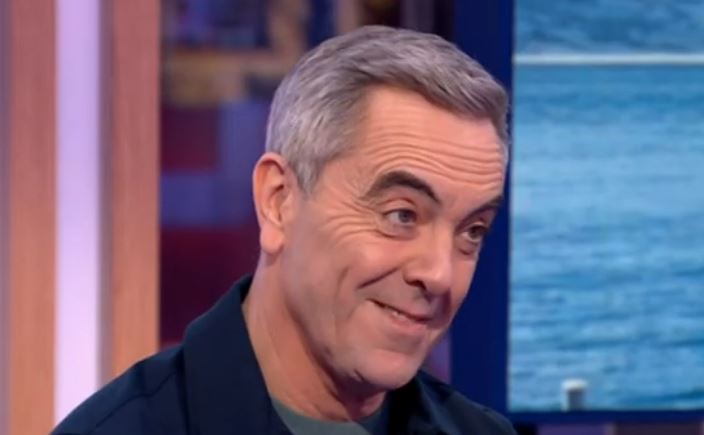
The manner in which James Nesbitt has amassed his fortune is almost purposefully modest. No eye-catching luxury purchases, cryptocurrency side gigs, or ostentatious endorsements. Instead, the sixty-one-year-old Northern Irish actor has done what so many of his peers have failed to do: he has continued to work, keep track of his finances, and manage his three businesses to the point where, by 2026, he will have an estimated fortune of between ten and fifteen million dollars. It’s the kind of number that places him in exclusive company among British television actors, but it doesn’t make him a Hollywood titan.
Nesbitt’s financial life is still driven by Brown Cow Films Ltd. In recent filings, the UK-registered company has consistently reported net assets between £6.4 and £6.8 million. Just that number illustrates how profitable long-term British television work can be when it is handled by a personal services firm. The company’s assets had increased to about £4.7 million in 2019, indicating a strong upward trend. Nesbitt has taken out over £1.2 million in director’s loans over a number of years, and he has paid himself generously through dividends— £345,000 in one reported year, up from £320,000 the previous year. In the entertainment business, none of this is out of the ordinary, but it does show that someone is closely monitoring the numbers.
Nesbitt also has a significant stake in G&H Film and Television Services, a company that rents out cars and provides production supplies. The money held by shareholders there is close to £2.4 million. Additionally, his real estate firm, Nesbro Ltd., has assets worth nearly £1 million. The combined assets of those three companies once exceeded £11 million. This figure garnered attention when it surfaced during the last season of Line of Duty, a program in which Nesbitt made an absurd appearance in just one scene as the deceased DCI Marcus Thurwell in Spain.
The contrast between that fleeting appearance and the decades of arduous labor that created the wealth behind it is difficult to ignore. This actor played the dwarf Bofur in Peter Jackson’s Hobbit trilogy for months, worked on eight-episode runs of Murphy’s Law for years, and took on emotionally taxing roles like Ivan Cooper in Bloody Sunday, which, according to him, truly changed the course of his career and divided his professional life into “before” and “after.” Bloody Sunday’s property was more than just artistic. Producers saw that Nesbitt could handle serious drama, and as a result, both the roles and the fees increased.
The diversification of Nesbitt’s financial position in 2026 is what makes it intriguing. Someone looking beyond the next commission is suggested by the property arm through Nesbro. The careers of actors are infamously precarious, and there is a cautious pragmatism in distributing earnings among production services, car rentals, and physical assets that feels very Northern Irish. Adrian Dunbar’s company reported assets of about £230,000, while Vicky McClure’s company reported assets of less than £300,000. In contrast, his former Cold Feet co-stars and Line of Duty colleagues typically hold far less in their corporate vehicles.
Nesbitt’s net worth may be closer to £12 million or closer to £8 million, depending on how it is calculated. Property values fluctuate, and company assets differ from personal liquid wealth. However, the boy from Ballymena who used to call bingo at Barry’s Amusements in Portrush for £1 an hour has done remarkably well by all standards. Both as an actor and as a businessman, he is still perceived as being undervalued. These figures may rise even further in the coming years due to the anticipated return of Bloodlands and the development of new projects. Alternatively, they might not. The problem with actors’ fortunes is that they are totally dependent on the phone ringing.
