

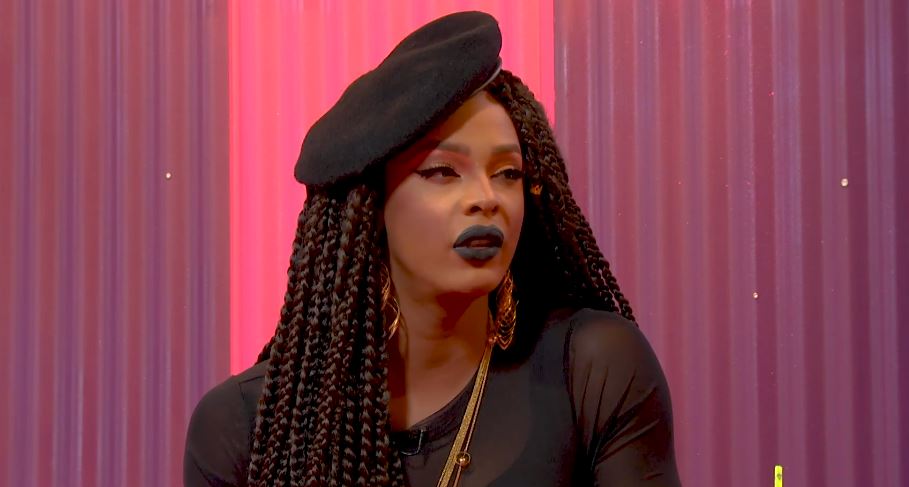
Credit: Hey Qween
The Facebook message was shocking, unrepentant, and purposefully crafted for impact; it was like a shot of cold espresso. James Ross, better known on stage as Tyra Sanchez, declared his desire to take RuPaul, Michelle Visage, and World of Wonder to court. Years of alleged abuse, defamation, and planned exclusion were described in his publicly posted message.
He presented it as openness. It was perceived by others as provocation.
Ross presented a methodical, multi-point analysis of what he called a persistent attempt to undermine his career rather than merely asserting emotional harm. A “false police report,” “defamatory storylines,” and what he described as a “deliberate campaign to strip him of dignity within drag entertainment” were among the charges. It wasn’t nuanced. For a social media post, it was surprisingly formal and precise.
| Full Name | James William Ross IV |
|---|---|
| Stage Name | Tyra Sanchez (also known as King Tyra) |
| Date of Birth | April 21, 1988 |
| Claim to Fame | Winner of RuPaul’s Drag Race, Season 2 |
| Key Conflict | Lawsuit intentions against RuPaul, Visage, and WOW |
| Source Link | Star Observer |
He especially cited a released video in which RuPaul pretended to slap him during an acting competition in season two. Shortly after Ross’s contentious remarks in the wake of fellow musician The Vivienne’s passing, the video reappeared. According to Ross, the reposting was a “calculated provocation” intended to elicit mockery and new forms of harassment.
The reaction was quick—and split—online. The lawsuit’s legality was questioned by several. Self-taught Reddit detectives and legal enthusiasts scrutinized the text, pointing out contradictions that, they claimed, no experienced attorney would overlook. They pointed out that a legitimate legal document would always refer to “Mr. Charles” rather than “RuPaul.” Some criticized the tone, stating that it read more like a fan theory than an official grievance.
Although technically sound, those criticisms seem to overlook a more important point: Ross is naming patterns rather than merely names. Silence patterns. exclusionary patterns.
The assertion that Michelle Visage had openly declared that she would have crowned season two runner-up Raven rather than Tyra was one fact that especially resonated with fans. According to Ross, this was an intentional attempt to discredit his victory. One question is whether that is actionable slander. Was it painful? That’s a whole other matter.
Then followed the DragCon incident, which is arguably the most destructive aspect of Ross’s public persona. He sent out a mysterious tweet in 2018 advising people to “stay away” from the event. It was interpreted as a danger. Law enforcement became engaged. The consequences were harsh and quick. However, Ross argues in his piece that World of Wonder’s attitude was punitive rather than protective, converting suspicion into permanent banishment.
Ross has essentially vanished from the Drag Race archives by 2026. Seldom is his name brought up. He rarely showed his face. The irony? Technically, he is still the winner.
It seems as though the franchise subtly changed its own history by eliminating a character who didn’t fit with its brand.
Ross talked about years of emotional wear and tear—a gradual erosion of his public persona—midway through his post. I couldn’t help but wonder how many times someone needs to yell into thin air before they begin drafting their own legal briefs in order to be heard.
This argument, according to skeptics, is flimsy and even theatrical. However, there are other ways to gauge significance than legal validity. Fundamentally, this is a man attempting to recover space that he believes has been routinely taken away from him.
Ross uses a controlled and occasionally wounded tone throughout the remarks. He doesn’t yell. He is not a beggar. Like someone who has practiced this confrontation for years in his mind, he just puts it out. His construction has a worn-out, lived-in quality.
Some of the charges feel interpretative, such as the allegation that RuPaul’s republished video was intended to incite harassment. However, they are unquestionably personal. And even though they are not prosecutable, it is what gives them power.
In addition to “compensatory and punitive damages,” he also seeks “declaratory relief acknowledging the Defendants’ wrongful conduct,” which is more difficult to establish. To put it another way, he wants the record updated.
WOW and RuPaul have not yet made a public response. In this situation, silence can sound loud.
One could interpret Ross’s post as a reckoning rather than just a legal threat. Not only with Drag Race, but also with a broader celebrity culture that battles with controversy while enthusiastically consuming queerness.
Unlike subsequent victors, Ross was not developed as a rising brand following his victory in season two. He received no offers of show spin-offs or brand collaborations. Rather, he became a moniker that was called upon when internet drama erupted—a kind of warning to would-be queens. His drag persona was perceived as abrasive, occasionally aggressive, and adamantly defiant of fitting in. He might have won because of that approach, but it also made him more disposable.
His case is essentially a protest against that garbage mound. a determination to speak up, even if his case is never heard by the courts.
Regardless of the outcome of any legal action, Ross has already sparked discussion. Crowns don’t always provide safety, and sometimes the best form of resistance is just asserting that your tale matters, as he has reminded both supporters and detractors.
