

It has an almost obstinately human quality. One of the most photographed individuals on the planet, a future king, wearing a helmet and riding through the Norfolk countryside in what he refers to as a “disguise.” There was no motorcade. Streets are not completely blocked off by a security perimeter. It was always just a man, a motorcycle, and the road.
During a visit to Norfolk Blood Bikes on June 11, Prince William confirmed what many had suspected: he hasn’t given up riding. Not at all. “I love bikes,” he stated bluntly as he stood in front of a fleet of bikes arranged in their emergency livery. I still occasionally ride in silence. Then there was a knowing nod. “Disguise.” It was a tiny word with a good deal of significance.
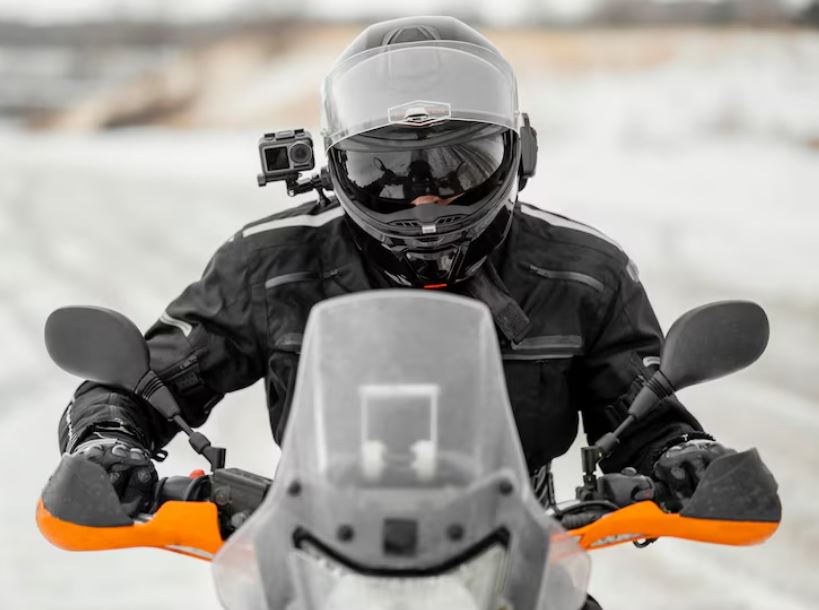
His motorcycle license dates back to 2002, so he has been riding for more than 20 years, interspersed with fatherhood, public service, and a wife who has never concealed her feelings about it. According to reports, Kate told him that the habit made her feel “horror.” Nobody really knows if that worry has subsided over time or has just been acknowledged as one of those aspects of a marriage that cannot be compromised. William hasn’t completely given up the throttle.
For someone in his position, it’s difficult to ignore its allure. A senior royal’s every move is planned, publicized, and captured on camera. Sneaking out on a motorcycle while wearing an improvised disguise, like a different jacket or a simple helmet, exudes a sense of true freedom that is nearly impossible to duplicate. The motorcycle might be more than just a pastime. It’s one of the few places left where William can live outside of the frame.
The purpose of the visit to Norfolk Blood Bikes was supposedly unrelated. The volunteer-run organization transports blood, plasma, breast milk, and other medical supplies to hospitals throughout Norfolk around-the-clock using a fleet of 25 bikes and support vehicles. It’s the kind of unglamorous, necessary work that never quite gets the credit it merits. By privately funding a Ford Kuga for the fleet, which is now known as “Prince William,” William and Kate had already demonstrated their silent support. It was positioned next to a Ford Focus known as “Queen Elizabeth II.” It was unveiled by him. Although the group of volunteers, riders, and hospital employees probably didn’t require the affirmation, it would still have had some significance.
Nevertheless, the bike moment was the most memorable. William was not displaying enthusiasm as he stood next to the motorcycles in line. He spoke about riding in a more laid-back manner, with a brief pause before “disguise,” and a faint smile. This man has not come to terms with giving up the pastime. He’s just learned to keep it a secret.
The Palace is unlikely to disclose whether Kate has quietly accepted this or just stopped asking. Like all marriages, royal unions involve a hundred minor discussions that are never made public. This one appears to have fallen somewhere in the middle of resignation and tolerance. He is a rider. He simply doesn’t bring it up.
It’s a remarkably common tension for a future monarch bearing the expectations of an entire institution, one that any household could identify. It turns out that there are some things that people simply can’t let go of. It seems like two wheels and a little open road could be just that for William.
FAQs
1. Does Prince William still ride motorcycles?
Yes, he rides occasionally and in disguise near his Norfolk home.
2. How does Kate Middleton feel about William’s motorcycle hobby?
She has said it fills her with horror.
3. When did Prince William get his motorcycle license?
He has held a motorcycle license since 2002.
4. What is Norfolk Blood Bikes?
A volunteer organisation delivering urgent medical supplies to Norfolk hospitals around the clock.
5. What did William and Kate donate to Norfolk Blood Bikes?
They privately funded a Ford Kuga, now named “Prince William.”
