

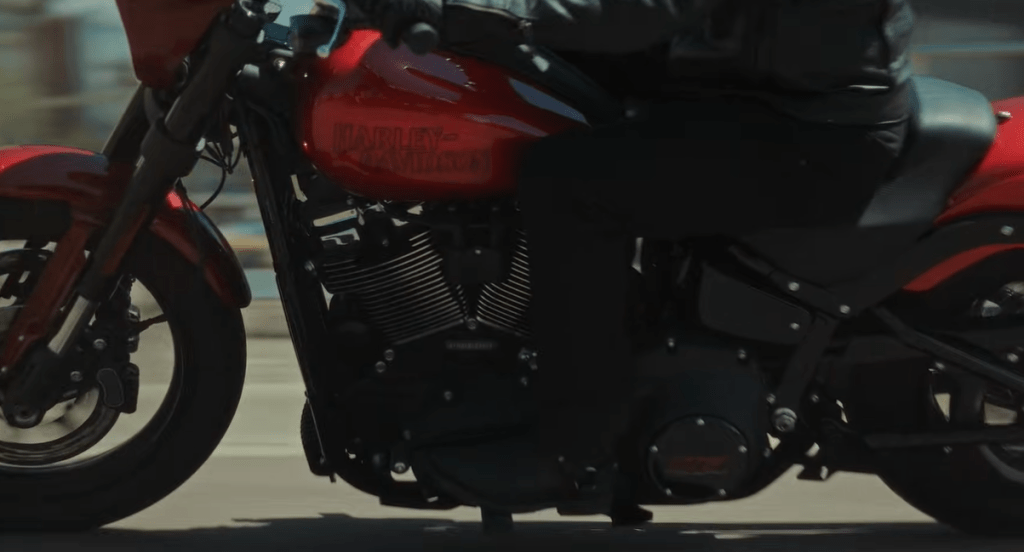
A brand based on the romance of the open road, being anchored by a congested breather port, is almost ironic. However, the National Highway Traffic Safety Administration has confirmed that Harley-Davidson is recalling 88,039 motorcycles nationwide, and that is precisely where the company finds itself this week. Even though the flaw seems minor on paper, no rider wants to find out about it the hard way.
The problem stems from a single part, the airbox backplate (part number 29000373), which is installed on a variety of touring and Softail models manufactured between 2024 and 2026. Pressure begins to build inside the crankcase when that backplate’s breather port becomes blocked. Oil may shoot out of the fill spout if the dipstick is pulled at the wrong time. It’s the kind of silent danger that you don’t consider until it occurs, at which point it’s too late to avoid.
| Recall Information | Details |
|---|---|
| Company | Harley-Davidson Motor Company |
| Headquarters | Milwaukee, Wisconsin, United States |
| Stock Ticker | HOG (NYSE) |
| Recall Date Announced | May 1, 2026 |
| Total Motorcycles Affected | 88,039 units in the U.S. |
| Defect | Blocked airbox backplate breather port |
| Risk | Pressurized crankcase causing oil ejection from the fill spout |
| Affected Models | 2024–2026 FLTRX, FLHX; 2025–2026 FXBR, FLFB; 2025 FLHXU; 2026 FLTRXL, FLTRT, FLHXL, FLHLT |
| Estimated Defective Units | Roughly 0.4% of the recalled fleet |
| Customer Notification Date | May 11, 2026 |
| Repair Cost to Owners | Free of charge |
| Customer Service Contact | 1-800-258-2464 |
| Regulator | National Highway Traffic Safety Administration |
Walk into any Harley dealership these days, and you’ll see the same scene playing out — gleaming chrome, leather-clad regulars chatting about routes, mechanics shuffling between bays. It’s difficult to ignore how much Harley’s identity is based on trust. The bike is trusted by riders. They have faith in the brand. Such a recall, even one with an estimated 0.4% defect rate, subtly undermines that. The majority of owners won’t ever encounter the issue. However, it will still feel like a tiny betrayal when the letter shows up in their mailbox on May 11.
The list of affected machines reads like a catalog of Harley’s bestsellers. Road Glides, Street Glides, Breakouts, Fat Boys, and the exclusive Ultra trims aren’t showroom dust accumulators. These are the bikes that owners spend years customizing and that you see speeding down highways on summer weekends. It’s not an easy task to retrieve 88,000 of them for examination. For riders who would prefer to be somewhere other than a service bay, it is an inconvenience and a logistical challenge for dealers.
Harley has made mistakes before this year. The company recalled about 17,000 motorcycles a few weeks ago due to a different brake-related issue. Two recalls in a short period of time raise legitimate concerns about quality control at a company that has spent decades establishing itself as the benchmark for American motorcycling. Investors appear to be keeping a close eye on things. Even when the financial cost of the fix itself is relatively low, recalls of this magnitude don’t help the HOG ticker’s reputation, which has been struggling for some time.
The cultural context is another factor to take into account. Harley-Davidson has been navigating a challenging decade: younger riders have not embraced the brand as much as their parents did, electric motorcycles are becoming more popular, and trade tensions and tariffs have made international expansion more difficult than anticipated. None of that is altered by a recall alone. However, it adds a minor burden to the company’s already balanced sheet of pressures.
On the surface, what follows is pretty obvious. Dealers will inspect each bike’s breather port, repair any blockages free of charge, and send riders back out the door. The deeper question, though, is whether Harley can avoid stacking up more of these moments. Because for a brand whose entire mythology depends on the feeling of freedom and reliability in your hands, a third recall this year would start to feel less like bad luck and more like a pattern.
