

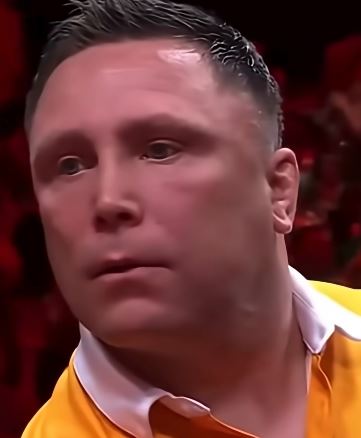
A version of the Gerwyn Price story starts with him throwing darts for the local organization Markham Welfare in a pub in a small town in South Wales. That version is true, but it leaves out the more intriguing detail: Price played professional rugby for years as a hooker, grinding through Welsh Premier Division games at Neath and Cross Keys, with a brief stint at Glasgow Warriors in the Pro12 that went nowhere in particular, before the oche and the walk-on to Ice Ice Baby in arenas across Europe. By all standards, he was a capable rugby player. He would never become well-known.
After passing PDC Q-School on his second try in 2014, he officially switched to darts, which proved to be one of the better career decisions in recent Welsh sports history. Price became the first Welshman to win the PDC World Championship, and his financial profile had changed beyond recognition by the time he lifted the trophy at Alexandra Palace in January 2021 after defeating Gary Anderson 7-3 in a final that averaged over 100 points per player. Depending on the sources you consult, his estimated net worth in 2026 ranges from £3 million to £4.5 million. After more than ten years of professional competition, his career PDC prize money now exceeds £4.8 million.
Not just in terms of competition but also in commerce, the 2021 World Championship victory was the turning point. The £500,000 top prize was the biggest payout of his career, but the wider revenue stream was created by his subsequent achievements, which included a consistent world top-five ranking, three Grand Slams of Darts, two World Series Finals titles, and a World Grand Prix. In addition to tournament winnings, sponsorship deals—most notably a long-standing agreement with Red Dragon Darts for his signature 23-gram tungsten setup—added significant endorsement revenue. Price’s earning window is significantly more lucrative than it would have been for previous Welsh darts players due to the significant increase in prize money in the PDC over the past ten years.
What Price has done with his wealth is perhaps less evident. He hasn’t relocated to a big, noticeable home. He has made investments in a portfolio of local properties in Markham, the small Caerphilly village where he was raised. In darts circles, the fact that he owns and runs a fish-and-chip shop in the town is also mentioned with mild amusement, but it reveals something sincere about his business practices. He stands out from the more flamboyant end of the sport’s affluent tier because of his groundedness, or at least the appearance of one.
It’s important to keep in mind that since the Phil Taylor era, the prize money landscape in darts has drastically changed. Michael van Gerwen leads the all-time list with about £9 million, while Taylor won 16 World Championships and earned about £8.5 million. Price is at the bottom of that leaderboard, but it is getting closer as younger players like Luke Littler show how quickly wealth can build up when you enter the PDC at the exact time that television money is at its peak. Even though it doesn’t yet match van Gerwen’s career total, Price’s estimated net worth places him comfortably in the upper tier of current active players.
It’s difficult to ignore the fact that Price, the darts player, who is occasionally erratic and combative, received a record £21,500 DRA fine following the 2018 Grand Slam final, and once called out Jake Paul to a boxing match, is quite different from Price the investor, who discreetly buys real estate in the valleys of South Wales and operates a takeaway. The difference reveals something about how professional sports operate: the image that fills arenas and sells tickets doesn’t always correspond with the financial choices being made behind the scenes. The future of his career will determine whether or not his net worth continues to rise. As of mid-2026, he was still ranked seventh in the world, winning European Tour titles and making it to the Premier League finals. In any case, the chip shop will probably remain open.
