

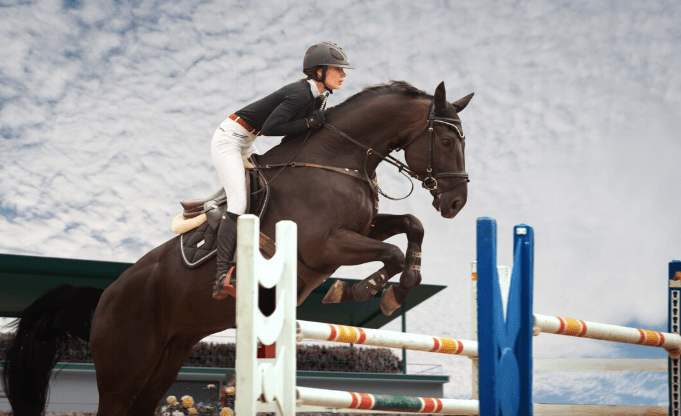
The crowds are already gathered outside Cheltenham Racecourse on a chilly March morning in Gloucestershire, long before the first horse steps onto the track. Wool scarves, polished boots, and tweed coats. While bookmakers write odds on chalkboards, someone pours coffee from a flask. The air is tinged with a nervous energy that only racing seems to produce.
Then the roar comes at some point in the afternoon. The moment is familiar to anyone who has stood at Prestbury Park during the Cheltenham Festival. At the beginning, the horses form a line. The throng tilts forward. Additionally, a wall of sound rolls across the course and reverberates up the well-known hill when the tape lifts.
| Event Information | Details |
|---|---|
| Event Name | Cheltenham Festival |
| Location | Cheltenham Racecourse, Gloucestershire, England |
| First Held | 1902 (modern festival format developed later) |
| Duration | Four days each March |
| Main Race | Cheltenham Gold Cup |
| Type of Racing | National Hunt (jump racing) |
| Prize Money | Among the highest in jump racing |
| Key Participants | Top trainers, jockeys, and horses from UK & Ireland |
| Racecourse Nickname | Prestbury Park |
| Reference Website | Top trainers, jockeys, and horses from the UK & Ireland |
The Cheltenham Festival is more than just another event on the schedule for horse racing enthusiasts. This week seems to be the culmination of the entire National Hunt season.
Four days. There are twenty-eight races. And every turn and fence is infused with over a century of racing heritage.
The top jump horses from Britain and Ireland attend the festival, which is held in March at Cheltenham Racecourse in southwest England. In the hopes that timing, luck, and preparation will finally come together, trainers, jockeys, owners, and punters all gather on the same piece of turf.
As the scene develops, it seems as though Cheltenham has an uncommon emotional burden. Few athletic events have the same significance as the races. The Gold Cup Day event is arguably the most well-known.
Many people consider the Cheltenham Gold Cup to be the most prestigious race in National Hunt racing. It is a three-mile, two-furlong race with challenging fences along the way. A horse can become legendary almost immediately after winning its first race.
The Gaelic Warrior horse in 2026 produced precisely the kind of performance racing that fans have long remembered. He crossed the finish line several lengths ahead of his competitors as he charged up the hill in the final stages. Willie Mullins, the trainer, added another incredible chapter to his career with the victory.
With the victory, Mullins, who is already among the most successful individuals in jump racing, earned his fifth Gold Cup. Paul Townend, a jockey who remained composed throughout the race, became a member of a select group of riders who have won the biggest event in the sport. However, Cheltenham is rarely exclusive to the winners.
Quieter tales abound at the festival as well. The jockey persevered through a challenging season before winning. The horse that was ignored in the betting markets unexpectedly overtook the favorites. With his hands tucked into his coat pockets, the trainer watched anxiously from the rails.
Every race ends with the horses starting the last ascent up Cheltenham’s well-known hill. It can be an unexpectedly emotional sight for spectators who are standing close to the finish line. Horses that are exhausted stretch every muscle, jockeys push them on, and the audience yells encouragement that seems almost intimate.
It’s difficult to ignore how near the action the spectators are. Cheltenham still feels cozy, in contrast to many contemporary sports arenas. Despite the size of the grandstands, the atmosphere is surprisingly humane. Rumors about horses that “worked brilliantly” in training the previous week are shared, betting slips are discussed, and form guides are examined. Naturally, betting is ingrained in the festival’s culture.
The voices of bookmakers can be heard above the crowd’s chatter as they line the walkways. The odds are always shifting. Just minutes before a race starts, a favorite could drastically shorten. The festival was described as “four days of controlled chaos” by a seasoned bookmaker, and it doesn’t seem overstated. However, the drama surrounding betting is just one aspect of the event.
Cheltenham has evolved from a sporting event to a social event. The festival is transformed into a blend of racing tradition and contemporary celebration as groups travel from Ireland, London, and far beyond. Bars fill up fast. From the hospitality tents, music wafts. In the cultural sense of the word, the atmosphere may resemble a festival.
However, the sport itself is still difficult and sometimes harsh. A horse collapsed following the Gold Cup race in 2026, reminding racing fans of the dangers. Such moments bring a sobering pause to the thrill, bringing up well-known concerns about the sport’s safety and welfare.
It’s a complex aspect of the character of horse racing. Concern for the animals’ welfare coexists with admiration for them.
Every year, as the festival takes place, it seems as though Cheltenham is in the middle of tradition and change. While trainers improve preparation techniques, analyze data, and condition horses more meticulously than before, racing officials continue to modify safety precautions.
However, some things don’t change at all. The sound of hoofs thundering toward the last fence. Thousands of spectators leaning over the rails let out a roar. The arduous ascent of the hill that separates the winners from the others.
This tiny racecourse in Gloucestershire becomes the epicenter of the jump racing world for four days every March.
And the place becomes quiet once more as the last race concludes and the spectators gradually move toward the exits. Grandstands are empty. The grass was trampled. A few lingering wagerers are speculating about potential outcomes for the following year.
Because when the racing stops at Cheltenham, the conversation almost always continues.
