

Credit: ABC News
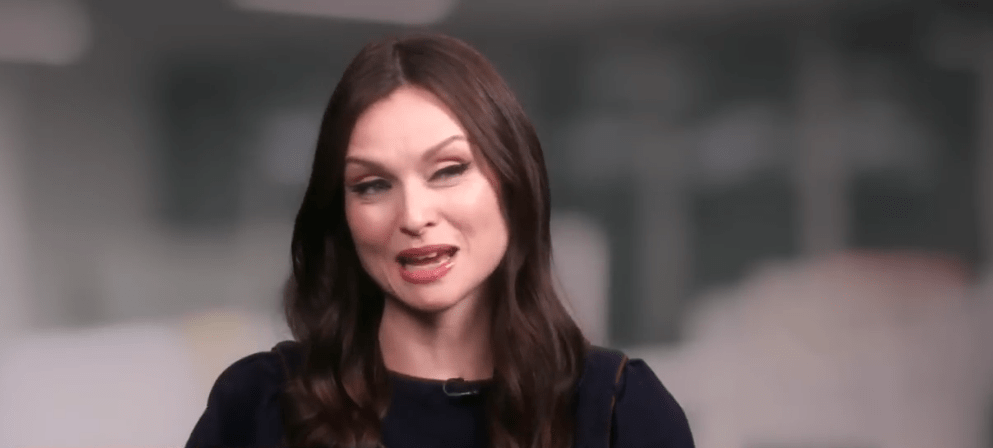
The image of Sophie Ellis-Bextor glistening under stage lights has only changed over time, not diminished. She’s no longer just the voice behind dancefloor anthems, but a dynamic creative force charting her own rhythm.
She’s made a very successful financial move. Rather than chasing constant reinvention for mass appeal, she built a career that is refreshingly personal, rooted in connection and consistency. Her estimated current net worth of up to £10 million demonstrates both her success and tenacity.
| Full Name | Sophie Michelle Ellis-Bextor |
|---|---|
| Born | 10 April 1979, Isleworth, London, England |
| Profession | Singer, Songwriter, Podcaster |
| Career Highlights | “Groovejet”, “Murder on the Dancefloor”, Kitchen Disco, Perimenopop |
| Estimated Net Worth | £8–10 million ($10–12 million) as of 2024 |
| Reference | Yahoo Entertainment |
“Murder on the Dancefloor” didn’t just return—it erupted back into popular culture in 2024, two decades after its original release. Thanks to its placement in the climactic scene of Saltburn, it became a cultural moment again. For an artist whose voice had long been part of the backdrop to early 2000s nights out, the resurgence felt both surreal and inevitable.
Streams increased. Downloads climbed. In clubs, young people who hadn’t even been born when the song first came out began dancing to it. For Sophie, the revival came not from a corporate campaign, but from cinematic timing—and it paid off.
Still, it’s her work beyond the charts that has quietly built her wealth. In 2023, DV Touring, her live performance company, posted revenue of £1.2 million. For her, touring is a celebration of strength and style rather than just a way to make money.
She played more than a hundred shows in 2024, a schedule that’s intense by any standard. Yet it suits her. Each performance brings fans a bit closer to her world: sparkly, vibrant, and unmistakably hers. The returns aren’t just financial; they’re emotional.
The house where she raised five sons has become a soft icon in itself—especially since her “Kitchen Disco” performances during lockdown. In those Instagram sessions, she turned her house into a performance space. With a soundtrack, the fairy lights, costume changes, toy drums, and dance breaks with her kids weren’t staged; they were real life.
This openness struck a deep chord. It was authentic, and more importantly, it was incredibly versatile. Fans found solace in it, and companies noticed. A Vodafone holiday special followed, blending homemade warmth with professional polish.
Her business instincts have been notably sharp. She switches between support from major labels and independent releases with ease. She doesn’t follow any one model. Her ability to adapt has been very effective, enabling her to maintain creative control while expanding her audience.
Years ago, she founded her own label, EBGBs, quietly empowering herself long before artists started treating independence as trend. Her podcast Spinning Plates, where she interviews fellow working mothers, is yet another layer—introspective and exceptionally clear in its intent. It adds depth to her public persona, revealing both vulnerability and resolve.
I remember listening to one episode where she spoke about her relationship with ambition. It wasn’t dramatic or self-congratulatory. It was observant—almost quietly rebellious in how it refused to pit motherhood against artistry.
Another change was her 2025 album Perimenopop. Just the name was audacious. Rather than hiding from age or change, she played with it. Disco-inspired and lyrically honest, the music encapsulated the essence of moving on while continuing to dance through it all.
She didn’t give up on pop culture. Rather, she based it on personal experience. The result was particularly innovative—not because it broke sound barriers, but because it blended vulnerability with joy. The album was the type that understood, not just entertained.
The story of Sophie Ellis-Bextor is not a simple climb. It’s a long, swaying dance—sometimes in sync with trends, sometimes defiantly out of step. But hers, always. And that ownership, especially in music, is exceptionally rare.
She remains, even now, a performer who can command a stage without surrendering her identity. For many artists, especially women, that balance is hard to achieve. But Sophie? With a smirk that implies she has been aware of the beat all along, she spins through it with steady grace.
